Low Burst Fade Haircut: 20+20 Stylish Ideas, Best Styles, Tips & Maintenance

A Low Burst Fade is a stylish and versatile haircut that creates a clean, curved fade around the ears while keeping the transition low and subtle. It offers a polished appearance without removing too much hair from the sides, making it suitable for both casual and professional settings. This look works especially well with curly, wavy, straight, and textured hair.
You can pair it with a low burst taper, textured top, curls, or a creative burst fade design for a personalized finish. Whether you want a sharp everyday style or a more eye-catching look, there are plenty of options to explore. This guide covers popular low fade haircuts, barber tips, styling ideas, and simple maintenance advice.
What Is a Low Burst Fade Haircut?
A low burst fade haircut is a modern twist on the classic fade. Instead of a straight line down the side, the hair curves around the ear in a rounded shape. This creates a soft, circular blend rather than a hard edge.
The result is a seamless fade that flows naturally from the top of the head down to the skin near the ear. Barbers often call this a semicircular fade or curved fade because of its rounded shape around the temple fade area.
What Makes a Low Burst Fade Different?
Unlike a standard tapered haircut, the burst fade wraps around the ear instead of running in a straight vertical line. This is what gives it that signature fade around the ears look.
The curve creates a gradual taper that feels more dynamic and artistic. It also blends beautifully into a beard, which is why so many men choose this style when they want clean edges and sharp edges in one cohesive look.
How Low Does a Low Burst Fade Start?
In a low variation, the fade begins just above the ear rather than higher up near the temple. This keeps more length and coverage on the lower sides of the head.
Because the fade starts lower, it offers a subtler transition. It suits men who want a low-maintenance haircut with less visible skin, while still keeping that trendy, sharp fade finish.
Low Burst Fade vs Low Taper Fade

People often confuse these two styles, but they are not the same. A low burst fade vs low taper comparison comes down to shape. The taper follows a straight, vertical path down the sideburn, while the burst curves around the ear.
Both offer tapered sides and short sides, but the burst fade gives a rounder, more sculpted finish. If you want a subtle, classic look, go taper. If you want something a bit more eye-catching, the burst wins.
Low Burst Fade vs Other Burst Fade Types
Burst fades come in several heights, and each one changes the overall vibe of the haircut. Understanding these differences helps you pick the right fade height for your face and lifestyle.
The table below breaks down how a low burst fade vs mid burst fade and low burst fade vs high burst fade compare in terms of look, maintenance, and best use.
| Fade Type | Starting Point | Look | Maintenance |
| Low Burst Fade | Just above the ear | Subtle, professional | Every 3-4 weeks |
| Mid Burst Fade | Mid-way up the side | Balanced, versatile | Every 2-3 weeks |
| High Burst Fade | Near the temple | Bold, dramatic | Every 2 weeks |
| Burst Fade Mullet | Curved sides, long back | Edgy, statement-making | Every 3 weeks |
Low vs Mid Burst Fade

A mid burst fade sits higher on the head, showing more skin along the fade transition. It offers a bolder contrast between the top and sides.
The low version keeps things quieter. It is a great pick for workplaces or anyone who prefers a low-maintenance haircut that still looks polished and current.
Low vs High Burst Fade

The burst fade vs low fade debate often comes up when people compare high and low placements. A high burst fade shows dramatic skin contrast and needs frequent touch-ups.
A low burst fade, on the other hand, grows out more gracefully. It is the safer, more office-friendly choice while still delivering a stylish, sculpted shape.
Low Burst Fade vs Burst Fade Mullet

The burst fade mullet keeps length at the back while fading the sides in that signature curved shape. It is bold, retro-inspired, and full of personality.
A standard low burst fade keeps things more even all around. If you want something daring, the mullet variation is worth exploring with your barber.
20 Low Burst Fade Haircut Ideas
There are countless ways to wear this cut, and that is part of its appeal. Below are 20 low burst fade haircut ideas that range from clean and classic to bold and creative.
Each version pairs the same rounded fade with a different top style, so you can match it to your personality, hair type, and daily routine.
Classic Low Burst Fade

This is the original, no-frills version. Short, even length on top with a clean, seamless fade curving around the ear. It never goes out of style.
It works for nearly any occasion, from job interviews to weekend outings. It is the safest starting point if this is your first time trying a burst fade.
Low Burst Fade with Textured Top

The low burst fade with textured top adds movement and dimension. A texturizing spray or matte paste gives the top a naturally messy, piece-y finish.
This version suits men who want a bit of edge without looking overly styled. The textured top contrasts nicely against the smooth, curved fade below.
Low Burst Fade with Side Part

The low burst fade with side part brings a sharp, classic touch. A hard or soft line divides the top hair to one side for a polished look.
This style photographs beautifully and suits formal settings. Pair it with a light pomade to keep the side part crisp throughout the day.
Low Burst Fade with Quiff

The low burst fade with quiff lifts the front section upward and back for extra height. It adds a confident, stylish silhouette to the whole haircut.
A quiff needs some hair volume at the roots, so a volumizing mousse works well here. This combo suits round and square face shapes especially well.
Low Burst Fade with Pompadour

The low burst fade with pompadour is a bold, retro-meets-modern combination. The top is swept back and up, creating serious height and drama.
This pairing needs strong hold, so a firm pomade is essential. It is a showstopping option for special events or anyone who loves a statement look.
Low Burst Fade with French Crop

The low burst fade with French crop keeps the top short and blunt with a straight fringe. It is clean, low effort, and endlessly versatile.
The French crop pairs beautifully with the rounded fade because both styles share a minimalist, tidy feel. It suits thick and straight hair especially well.
Low Burst Fade with Fringe

This version lets the front hair fall forward naturally over the forehead. It softens facial features and adds a youthful, casual vibe.
A light styling cream keeps the fringe controlled without stiffness. It works particularly well on men with straight or slightly wavy hair textures.
Low Burst Fade with Slick Back

The low burst fade with slick back pushes all the top hair backward for a sleek, groomed finish. It looks sharp and sophisticated instantly.
A strong-hold slick back gel or pomade is a must here. This combination is a favorite for weddings, business meetings, and formal photos.
Low Burst Fade with Comb Over

The comb over brings old-school charm with a modern twist when paired with a burst fade. Hair is combed to one side over a defined part.
It strikes a balance between professional and stylish. This pairing suits men who want structure without looking too severe or stiff.
Low Burst Fade with Faux Hawk

The low burst fade with fohawk style rakes the center section upward while keeping the sides tapered. It is edgier than a quiff but softer than a full mohawk.
A faux hawk adds instant personality and works great for nights out. Use a strong wax to sculpt the center ridge and hold it in place.
Low Burst Fade with Mohawk

This is the boldest option on the list. A narrow strip of longer hair runs down the center, while the rest fades into the curved burst shape.
The mohawk pairing is a strong style statement. It suits confident personalities who are not afraid to stand out in a crowd.
Low Burst Fade with Buzz Cut

The low burst fade with buzz cut keeps the top extremely short, almost matching the fade itself for a clean, uniform look.
This is the ultimate low-maintenance haircut option. There is barely any daily styling required, making it perfect for busy schedules and active lifestyles.
Low Burst Fade with Line Up

The low burst fade with line up adds crisp, defined edges along the hairline and temples. It sharpens the entire haircut instantly.
A line up is usually done with clippers or a straight razor. It gives the cut a fresh, just-left-the-barbershop appearance that lasts for days.
Low Burst Fade with Hair Design

The low burst fade with hair design uses the fade area as a canvas. Barbers can shave in lines, patterns, or even small logos within the faded section.
This option is highly personal and creative. It works best on men who want their haircut to reflect a unique style statement.
Low Burst Fade with Beard

The low burst fade with beard connects the fade directly into a well-groomed beard line. This creates one continuous, polished silhouette.
A clean beard line-up is essential here. Regular trims keep both the fade and beard looking sharp and intentional rather than patchy.
Low Burst Fade with Spiky Top

Spiky hair on top adds height and texture that contrasts nicely with the smooth, curved sides. It gives an energetic, youthful feel.
A strong gel or wax is needed to hold the spikes upright. This look suits casual settings and works well with straight, coarse hair.
Low Burst Fade with Messy Top

The messy top trend keeps things relaxed and effortless. Hair is tousled by hand rather than combed into a precise shape.
This pairs perfectly with a low-key lifestyle. A matte clay or texturizing spray helps create that natural, just-woke-up texture.
Low Burst Fade with Long Hair

The low burst fade with long hair keeps significant length on top while the sides curve into the fade. It is dramatic and full of contrast.
This version needs regular conditioning since hair length on top requires more care. It suits men who enjoy styling versatility day to day.
Low Burst Fade with Short Dreads

The low burst fade with short dreads combines textured, twisted strands on top with a clean, curved fade below.
Short dreads add natural texture and volume. This pairing is especially popular among men with coily or curly natural hair textures.
Low Burst Fade with Undercut

The low burst fade with short hair on top, paired with a disconnected undercut feel, creates sharp contrast between lengths.
This variation offers a bold, high-contrast finish. It suits men who like a strong visual statement between the top and the faded sides.
20 Best Low Burst Fade Styles for Different Hair Types
Not every hair type behaves the same way, so choosing the right variation matters. Here are 20 low burst fade styles tailored to specific textures and hair types.
These options help you and your barber decide what will look best based on how your natural hair grows and moves.
Low Burst Fade for Straight Hair

The low burst fade for straight hair works beautifully with sleek finishes like a side part or slick back. Straight strands lie flat and hold shape easily.
Straight hair also shows off the fade blending clearly since there is no natural texture to soften the lines. It is a great canvas for precision cuts.
Low Burst Fade for Wavy Hair

The low burst fade for wavy hair brings natural movement to the top. Waves add texture without needing much extra product.
A light sea salt spray can enhance the natural pattern further. This combination looks effortlessly stylish with minimal daily effort.
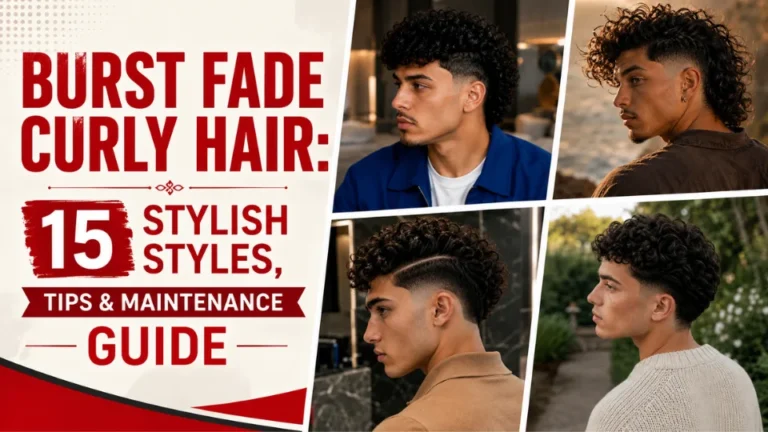
Low Burst Fade for Curly Hair

The low burst fade for curly hair keeps the natural curls on top full and bouncy while the sides stay neat and controlled.
Curl-specific products help define shape without frizz. This is one of the most popular combinations for men wanting texture and contrast together.
Low Burst Fade for Thick Hair

The low burst fade for thick hair benefits from the fade because it removes bulk from the sides. This balances out hair volume on top.
Thick hair holds most top styles well, from quiffs to textured crops. Regular thinning during trims helps keep the top manageable.
Low Burst Fade for Fine Hair

Fine hair can look thin if cut too short on top. A slightly longer top length paired with the fade helps create the illusion of fuller hair volume.
Volumizing mousse or a light matte product adds lift without weighing the strands down throughout the day.
Low Burst Fade for Coarse Hair

Coarse strands hold shape exceptionally well, making them ideal for spiky or textured finishes. The fade keeps the sides from feeling too bulky.
A matte clay works best here since it controls frizz while still allowing natural texture to shine through the style.
Low Burst Fade for Natural Hair

The low burst fade for natural hair celebrates coils and curls exactly as they grow. The fade simply cleans up the perimeter for a sharp finish.
Curl cream and regular moisture keep natural hair healthy and defined, especially where it meets the faded sides near the ears.
Low Burst Fade for Black Men

This is one of the most requested cuts among Black men because it pairs so well with coily textures, hair designs, and sharp beard line-up work.
Barbers skilled in fading coarser hair textures can create incredibly crisp, rounded lines that highlight the shape of the head beautifully.
Low Burst Fade for Asian Hair

Asian hair tends to be straight and dense, which creates very clean, sharp fade lines. This texture suits textured crops and side-part styles particularly well.
A lightweight styling paste helps manage density on top without making the hair feel stiff or overly heavy throughout the day.
Low Burst Fade with Curly Top

The low burst fade with curly top lets curls bounce freely while maintaining a tidy, faded perimeter. It is a fantastic style for showing off texture.
This combination requires minimal daily effort since curls often need little more than a curl cream and some scrunching to look great.
Low Burst Fade with Wavy Top

The low burst fade with wavy top offers relaxed, beachy movement. It looks great whether styled forward, back, or left loose and natural.
Sea salt spray brings out wave patterns nicely. This is a low-effort, high-reward combination for casual, everyday wear.
Low Burst Fade with Textured Crop

The textured crop paired with this fade gives a choppy, modern fringe with plenty of movement. It suits nearly every face shape.
This is one of the more forgiving top styles, requiring only a small amount of matte paste to define the pieces.
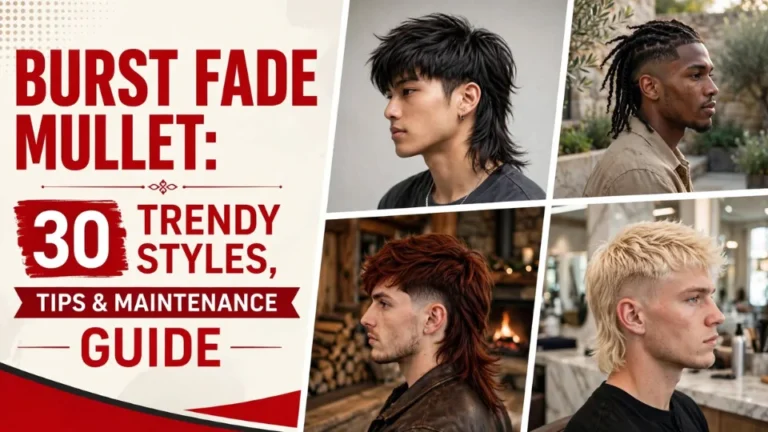
Low Burst Fade Mullet

The burst fade mullet keeps length at the back and fades the sides into that signature curve. It has made a strong comeback in recent years.
This style is best for confident dressers who enjoy a retro, unconventional edge that still feels grounded by the clean fade.
Low Burst Fade Mohawk

Similar to the faux hawk but bolder, this version keeps a defined center strip. It works especially well with coarse or thick hair types that hold shape.
Strong-hold wax is essential for keeping the center section upright throughout the day, especially in humid weather.
Low Burst Fade with Long Bangs

Long bangs swept across the forehead add a soft, textured contrast to the sharp fade below. It is a trendy option among younger crowds.
This look pairs well with straight or wavy hair types since both allow bangs to fall naturally without excessive frizz.
Low Burst Fade with Short Back

Keeping the back extra short while the top stays longer creates strong contrast and a modern silhouette that photographs well from every angle.
This variation is easy to maintain since the shortest sections need the least amount of daily attention or product.
Low Burst Fade with V-Cut Nape

The V-cut nape adds a sharp, pointed detail at the back of the neck instead of a straight line. It is a small but noticeable design touch.
This detail works well with the rounded fade shape, creating visual harmony between the nape and the curve around the ears.
Low Burst Fade with Shaved Lines

The low burst fade with shaved lines adds one or more thin parted lines within the fade or top section for extra visual interest.
Shaved lines are a simple way to personalize a classic cut without committing to a full hair design or pattern.
Low Skin Burst Fade

A skin fade takes the sides down to bare skin for maximum contrast against the top. When combined with the burst curve, it looks extremely crisp and clean.
This version requires the most frequent fade touch-up visits since regrowth becomes visible faster than with a tapered finish.
Low Tapered Burst Fade

This softer version blends the burst curve with a gentler gradual taper, leaving a small amount of length on the sides instead of bare skin.
It is a great middle-ground choice for men who want the burst shape without the stark, high-contrast look of a full skin fade.
Which Hair Type Works Best With a Low Burst Fade?
The honest answer is that nearly every hair type can pull off this cut. Straight, wavy, curly, and coily hair all adapt well to the rounded shape.
What changes is the top length and styling approach. The fade itself remains consistent, but how it is paired should always reflect your natural texture.
Best Hair Length for a Low Burst Fade
Most versions work with anywhere from half an inch to a few inches on top. Shorter lengths suit low-maintenance lifestyles, while longer lengths allow more styling products creativity.
Your barber can help judge the ideal hair length based on how your hair naturally sits, curls, or lies flat throughout the week.
Choosing the Right Top Length
The right top length depends on your goals. Shorter tops like a buzz cut need almost no effort, while longer tops like a quiff need daily product.
Think about your morning routine honestly. A busy schedule usually favors a shorter, simpler haircut length over something more elaborate.
Best Face Shapes for a Low Burst Fade
One of the best things about this haircut is its flexibility across different face shapes. The rounded fade line can actually help balance certain facial features.
Below is a quick reference table showing which top styles pair best with common face shapes, including oblong, rectangular, and triangular variations.
| Face Shape | Recommended Top Style | Why It Works |
| Oval Face Shape | Almost any style | Naturally balanced proportions |
| Round Face Shape | Quiff or pompadour | Adds height and length |
| Square Face Shape | Textured crop | Softens strong jawlines |
| Diamond Face Shape | Side part or fringe | Balances wide cheekbones |
| Heart-Shaped Face | Textured top | Balances a narrower chin |
| Oblong or Rectangular Face | Fringe or French crop | Shortens facial length visually |
| Triangular Face | Volume on top | Balances a wider jaw |
Low Burst Fade for Oval Faces

Oval faces are considered the most versatile, so almost any top style works beautifully. This is the easiest haircut shape decision on the list.
Feel free to experiment with pompadours, quiffs, or textured crops. There is very little risk of a style looking wrong on this face shape.
Low Burst Fade for Round Faces

Adding height on top, like with a quiff or faux hawk, helps elongate a round face. This creates a more angular, defined appearance overall.
Avoid keeping too much width at the sides. The goal is to draw the eye upward rather than outward across the face.
Low Burst Fade for Square Faces

Square jawlines pair wonderfully with softer, textured tops. A textured crop or messy finish balances the strong, angular bone structure nicely.
Sharp, geometric top styles can sometimes over-emphasize an already strong jaw, so softer textures usually look more flattering here.
Low Burst Fade for Diamond Faces

Diamond faces have wider cheekbones and a narrower forehead and chin. A side part or fringe helps soften and balance these proportions.
Avoid extreme height on top, as it can draw too much attention to the cheekbone area rather than balancing the whole face.
Low Burst Fade for Heart-Shaped Faces

A heart-shaped face has a wider forehead and narrower chin. Textured, fuller tops help balance this proportion by adding width lower down visually.
Steer clear of very high, narrow styles like a tall pompadour, since they can make the forehead appear even wider by comparison.
Step by Step Low Burst Fade Tutorial
How to Ask Your Barber for a Low Burst Fade
Clear communication makes all the difference between a great haircut and a disappointing one. Barbers rely on specific details, not vague descriptions.
Knowing the right words and bringing helpful references takes the guesswork out of the appointment entirely.
What to Tell Your Barber
Start by saying you want a low burst fade haircut for men with the fade curving around the ear rather than running in a straight line down the side.
Mention your desired top length and any specific style, such as a quiff or textured crop, so your barber understands your full vision clearly.
What Guard Length Should You Request?
Most low burst fades use a shorter clipper guard, typically between a zero and a two, near the bottom of the fade, blending up to your natural top length.
Your barber will adjust guard sizes gradually to create that smooth, gradual taper effect rather than one abrupt length change.
Why Bringing a Reference Photo Helps
Words alone can be interpreted differently by different people. A clear photo removes ambiguity and shows exactly where you want the fade to curve.
Try to bring a photo taken from multiple angles. Side and back views help your barber understand the full shape you are hoping to achieve.
How to Style a Low Burst Fade Haircut
Great styling starts before you even touch a product. The right preparation sets the foundation for how well your haircut holds throughout the day.
Follow these steps in order for the best, longest-lasting results every single time you style.
Start With Clean, Damp Hair
Always begin with freshly washed, towel-dried hair. Product applied to dirty or overly wet hair rarely distributes evenly or holds properly.
Damp hair, not soaking wet, gives you the most control. It allows product to spread smoothly without diluting its holding power.
Choose the Right Styling Product
Match your product to your desired finish. Pomade gives shine and hold, while matte clay offers a natural, textured look without gloss.
Consider your hair type too. Fine hair usually needs lighter formulas, while thick or coarse hair can handle heavier, stronger-hold options.
Create Texture and Volume
Use your fingers rather than a comb for most modern top styles. This builds natural-looking hair volume and separation between strands.
A volumizing mousse applied at the roots while hair is damp gives extra lift, especially helpful for fine or straight hair types.
Shape the Top
Decide on your direction, whether that is straight up for a quiff, back for a slick style, or forward for a fringe look.
Work in small sections for precision. Rushing this step often leads to uneven texture or an accidental part line you did not intend.
Finish and Set the Style
A light-hold hairspray or a small amount of extra pomade can lock the style in place, especially important for all-day wear or humid conditions.
Let the style set for a minute before touching it further. This helps the product fully bond with each strand for lasting hold.
How to Maintain a Low Burst Fade
A sharp haircut does not stay sharp forever without upkeep. Regular maintenance keeps the fade crisp and the overall shape looking intentional.
This section covers the essentials of a solid hair care routine built specifically around this style.
How Often Should You Get a Fade Touch-Up?
Most people need a fade touch-up every two to four weeks, depending on how fast their hair grows and how sharp they like the lines to stay.
Regular trims prevent the fade from growing out unevenly, which is one of the most common complaints among fade wearers.
How to Keep the Hair and Scalp Clean
Scalp care matters just as much as the haircut itself. A clean scalp supports healthy growth and prevents buildup that can weigh hair down.
Wash a few times a week with a gentle shampoo. Avoid over-washing, which can strip natural oils and leave hair feeling dry.
Maintaining the Edges and Neckline
A clean neckline and sharp hairline make an enormous difference in how fresh a haircut looks, even between full appointments.
Many men touch up their own line up at home using trimmers, though a barber visit every few weeks keeps things most precise.
Maintaining a Beard with the Fade
If you pair this cut with facial hair, consistent beard maintenance keeps the connection between beard and fade looking clean and cohesive.
Trim stray hairs along the jawline and cheeks regularly. A patchy beard line can undercut an otherwise sharp haircut instantly.
Best Products for a Low Burst Fade
The right styling products can transform a good haircut into a great one. Different finishes call for different formulas, so it helps to know your options.
The table below summarizes the most popular products and what each one is best used for.
| Product | Best For | Finish |
| Hair Clay and Wax | Textured, matte styles | Natural, non-shiny |
| Pomade | Slick back, side part | Glossy, strong hold |
| Sea Salt Spray | Wavy or beachy texture | Light, tousled |
| Curl Cream | Curly or coily hair | Defined, frizz-free |
| Matte Styling Products | Everyday casual looks | Soft, natural matte |
Hair Clay and Wax
Hair clay and wax offer strong hold with a matte finish. They are excellent for textured tops, faux hawks, and spiky styles that need to stay put.
These products work best on slightly damp hair. Rubbing them between your palms first ensures even, streak-free application throughout.
Pomade
Pomade is the classic choice for shine and control. It suits slick backs, side parts, and comb-overs beautifully thanks to its smooth, glossy finish.
Water-based pomades wash out easily and are gentler on hair, while oil-based versions offer stronger, longer-lasting hold throughout the day.
Sea Salt Spray
Sea salt spray enhances natural texture without adding heaviness. It is perfect for wavy hair or anyone wanting a relaxed, beachy finish.
Spray onto damp hair and scrunch gently with your fingers. Avoid overusing it, as too much can leave hair feeling dry or brittle.
Curl Cream
Curl cream defines natural curl patterns while fighting frizz. It is essential for anyone pairing this fade with curly or coily hair on top.
Apply to soaking wet hair for the best definition, then allow curls to air dry or diffuse for a fuller, bouncier finish.
Matte Styling Products
Matte finishes have become hugely popular because they look natural and modern, avoiding the glossy shine of older pomade styles.
These products work well for nearly every top style covered in this guide, making them a safe, versatile choice for daily wear.
Common Low Burst Fade Mistakes to Avoid
Even a great haircut can look off if a few small details go wrong. Knowing these common pitfalls helps you avoid disappointment at the barbershop.
Share these points with your barber if you are trying this style for the first time.
Making the Burst Fade Too High
Going too high turns a low burst fade into a mid or high version instead. Always confirm the exact fade height before the clippers start.
If you are unsure, ask your barber to start conservative. It is always easier to fade higher later than to fix an overly high starting point.
Choosing the Wrong Top Length
A top length that clashes with your hair type or face shape can throw off the entire look, no matter how clean the fade itself turns out.
Discuss your haircut length goals honestly, including how much daily styling time you are realistically willing to commit to.
Poor Fade Blending
Choppy or uneven fade blending is one of the most noticeable mistakes. It happens when guard changes are too abrupt instead of gradual.
Experienced barbers use several guard sizes and blending shears to create that smooth, seamless fade effect from top to bottom.
Neglecting Regular Maintenance
Skipping touch-ups is a fast way to lose the crisp shape that makes this haircut special in the first place.
Stick to a consistent fade maintenance schedule, even if it feels like an extra errand some weeks. Consistency is what keeps the style sharp.
Using Too Much Styling Product
More product does not always mean better results. Overloading hair with pomade or clay can look greasy, heavy, or unnatural.
Start with a small amount, about the size of a pea, and add more only if needed. It is easier to add than to remove excess product.
Low Burst Fade Haircut FAQs
Final Thoughts
The low burst fade haircut has earned its popularity for good reason. It blends a clean, professional edge with the flexibility to match almost any hair type, face shape, or personal style, whether you prefer a classic low burst fade, a bold burst fade mullet, or a textured top finish.
The key to keeping it looking its best comes down to clear communication with your barber, the right styling products for your hair type, and a consistent fade maintenance schedule. Start simple with minimal top length, then build up to bolder variations like a mohawk or hair design once you find your favorite combination, this haircut can easily become your low-maintenance haircut signature look.
Edward Hipps
Edward Hipps is a men’s hairstyling enthusiast sharing expert insights on burst fade haircuts, modern styles, grooming tips, and haircare trends.