Taper Burst Fade: 30 Trendy Styles, Expert Barber Tips & Complete Style Guide

A Taper Burst Fade is a stylish haircut that combines the clean finish of a taper with the curved shape of a burst fade. Instead of fading evenly around the entire head, it gradually narrows around the ears while keeping more length on the sides and back. This makes it a versatile choice for men who want a sharp look without an overly exposed scalp.
The style works well with curls, waves, straight hair, and textured tops. From a classic burst fade haircut to a modern taper fade, there are plenty of ways to personalize the look. In this guide, you’ll discover popular styles, barber tips, maintenance advice, and haircut designs to help you choose the right finish.
What Is a Taper Burst Fade?

A Taper Burst Fade blends two techniques. The burst section creates a rounded shape and circular fade that follows the ear. The taper uses gradual shortening around the neckline and sideburns.
Instead of creating a straight fade across the sides, the barber keeps the fade curved around the ear. This creates a sunburst-like shape with controlled fade contrast and a natural amount of weight.
The main attraction is balance. You get clean edges, a defined shape, and a seamless blend without removing all the hair around the sides. Depending on the guard and fade level, the cut can expose bare skin or maintain a softer finish.
30 Best Taper Burst Fade Styles

The beauty of a Taper Burst Fade is its versatility. A classic burst fade taper works for simple everyday wear while a sharp burst fade taper creates stronger definition.
Your choice should depend on your hair texture, preferred hair length, and desired finish. Some styles create natural volume, while others focus on a low-maintenance haircut.
| Style | Best Feature | Ideal For |
| Classic | Balanced shape | Everyday wear |
| Skin | Strong contrast | Bold looks |
| Textured | Movement | Thick or wavy hair |
| Quiff | Front lift | Medium hair |
| Mullet | Extra length | Trend-focused styles |
| Professional | Conservative finish | Work and formal settings |
1. Classic Taper Burst Fade

The classic burst fade taper keeps the sides neat while leaving enough natural weight around the head. Its subtle look suits men who want a clean everyday style without excessive contrast.
2. Skin Taper Burst Fade

A skin burst fade taper takes the sides closer to the skin. The result has stronger fade contrast, clean edges, and a more bold look.
3. Taper Burst Fade with Beard

A burst fade taper with beard creates a connected masculine silhouette. The barber can blend the beard fade, sideburn taper, and haircut for a seamless blend.
4. Taper Burst Fade with Design

A burst fade taper with design adds a shaved line or pattern. This statement-making variation works especially well when the design follows the natural fade lines.
5. Taper Burst Fade with Line Up

A burst fade taper with line up gives the hairline a crisp finish. A precise line up can add maximum definition around the forehead and temples.
6. Textured Taper Burst Fade

A textured burst fade taper works beautifully with natural texture on top. Choppy layers create movement while the sides remain controlled.
7. French Crop Taper Burst Fade

A French crop burst fade taper combines a short fringe with a clean curved fade. It suits men who prefer a shorter top and simple hair styling.
8. Crew Cut Taper Burst Fade

A crew cut burst fade taper keeps the top section short and practical. It creates a tidy professional appearance without making the haircut look plain.
9. Pompadour Taper Burst Fade

A pompadour burst fade taper adds significant hair volume above the forehead. The curved sides balance the longer top and create a polished silhouette.
10. Quiff Taper Burst Fade

A quiff burst fade taper gives the front enough length for lift. A small amount of styling paste can create shape without making the hair feel heavy.
11. Slick Back Taper Burst Fade

A slick back burst fade taper uses a longer top that moves backward. Pomade works well when you want a smooth polished look for formal occasions.
12. Comb Over Taper Burst Fade

A comb over burst fade taper creates a controlled side direction. It suits men who want a business-ready look while keeping a modern haircut underneath.
13. Side Part Taper Burst Fade

A side part burst fade taper adds a defined division between the top and sides. It combines an old-school gentleman’s look with a contemporary curved fade.
14. Hard Part Taper Burst Fade

A hard part burst fade taper uses a shaved part for extra separation. It produces a stronger defined shape and works well with a high-contrast style.
15. Brush Up Taper Burst Fade

A brush up burst fade taper directs the top upward. Blow drying can increase hair volume while a small amount of hair spray provides extra styling hold.
16. Messy Taper Burst Fade

A messy burst fade taper creates an effortless vibe with loose texture. It works especially well when your hair naturally has body and movement.
17. Taper Burst Fade for Thick Hair

A burst fade taper for thick hair removes visual bulk from the sides. Keeping some length on top allows your hair thickness and natural fullness to remain visible.
18. Taper Burst Fade for Thin Hair

A burst fade taper for thin hair should avoid excessive length. Short layers and fine hair texture can make the top appear fuller without relying on heavy products.
19. Taper Burst Fade for Black Men

A burst fade taper for black men can highlight a strong natural curl pattern. Coily textures also create excellent contrast against the rounded fade.
20. Taper Burst Fade for Teens

A burst fade taper for teens can remain stylish without becoming difficult to maintain. A moderate fade works well for school, sports, and casual settings.
21. Professional Taper Burst Fade

A professional burst fade taper uses controlled length and moderate contrast. It creates a professional appearance that works in an office environment.
22. Modern Taper Burst Fade

A modern burst fade taper can combine texture, stronger contrast, and contemporary top styling. It suits men who want a noticeable but versatile modern look.
23. Sharp Taper Burst Fade

A sharp burst fade taper focuses on precise edges and a clean transition. It delivers a sharp finish and maximum definition around the temples.
24. Taper Burst Fade Mullet

A burst fade mullet leaves additional length at the back. The rounded sides create separation while the longer rear section produces a more adventurous silhouette.
25. Taper Burst Fade Mohawk

A burst-style mohawk keeps more hair through the center while the sides narrow around the ears. This creates an edgy finish without removing the personality of the top.
26. Short Taper Burst Fade
A short variation uses shorter top styling for easier maintenance. It suits men who want fewer styling options but still want a distinctive fade.
27. Long Taper Burst Fade

Keeping longer top hair opens more styling possibilities. You can switch between a quiff, comb over, slick back, or textured finish without changing the fade.
28. Curly Taper Burst Fade

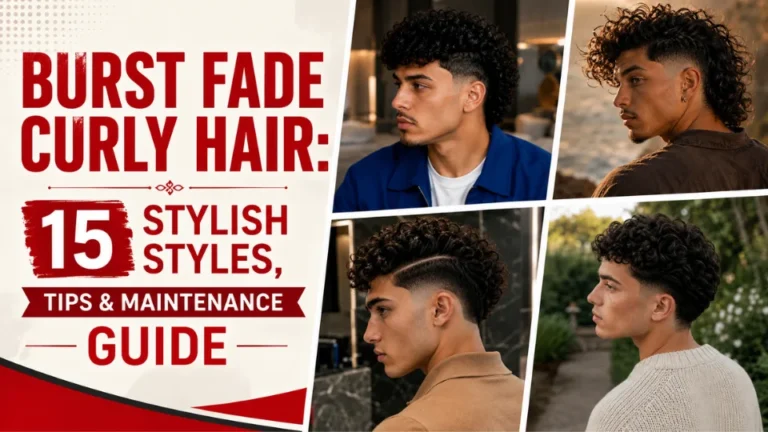
A burst fade taper for curly hair lets the curls provide the main visual texture. Good curl definition makes the curved sides look even more pronounced.
29. Wavy Taper Burst Fade

Wavy hair adds natural movement without requiring extreme styling. A wavy hair top can create a relaxed look while the sides maintain a clean structure.
30. Taper Burst Fade With Natural Texture

This variation works with your existing hair texture rather than fighting it. The goal is an effortless vibe with controlled sides and natural movement.
Taper Burst Fade vs Other Popular Haircuts

The biggest difference between a burst fade and other fades comes from shape. A low fade, mid fade, and high fade generally change how high the fade travels.
A burst design instead emphasizes the area around the ear. A standard taper fade gradually reduces the sides and neckline without creating the same rounded pattern.
| Haircut | Main Shape | Overall Effect |
| Low fade | Lower transition | Subtle |
| Mid fade | Middle transition | Balanced |
| High fade | Higher transition | Bold |
| Standard taper fade | Straight-line transition | Classic |
| Burst fade | Curved ear transition | Distinctive |
Taper Burst Fade vs Low Fade

A low fade usually keeps the fade starts near the ear with minimal contrast. A burst design curves around the ear instead of following a broad horizontal transition.
Taper Burst Fade vs Mid Fade

A mid fade places the transition higher. A burst style keeps its defining feature around the ear, creating a more localized curved fade.
Taper Burst Fade vs High Fade

A high fade creates stronger high contrast because the fade starts higher. A burst design can remain more controlled while still creating visual impact.
Taper Burst Fade vs Taper Fade

A standard taper fade uses a more straight-line fade around the edges. A burst variation adds a rounded transition around the ear.
Taper Burst Fade vs Blowout Taper

A blowout taper emphasizes volume and outward movement. A burst style focuses more strongly on the curved area around the ear and controlled side shape.
How to do a Taper Burst Fade- Detailed Tutorial (How to AVOID PATCHES)
Which Taper Burst Fade Suits Your Face and Hair?
Your face shape suitability matters. A haircut should balance your natural proportions rather than simply follow a trend.
Hair texture matters just as much. Straight, wavy, curly, and coily hair behave differently. The right cut works with your texture instead of forcing it into an unsuitable shape.
Best for a Round Face

A round face often benefits from extra height on top. A quiff or brush-up style can add vertical lift and make the face appear more elongated.
Best for a Square Face

A square face already has strong angles. A textured top can soften the appearance while the fade provides a defined shape.
Best for an Oval Face

An oval face gives you considerable flexibility. Short, medium, curly, slicked, or textured styles can all work when the hair length remains balanced.
Best for a Long Face

Avoid excessive height if your face is already long. A fuller top section with moderate volume can create better visual balance.
Best for Straight Hair

A burst fade taper for straight hair keeps lines visible and styling predictable. Straight strands also make side parts and slick-back styles easier to control.
Best for Curly and Wavy Hair

Curly and wavy textures naturally create movement. Keeping the top longer can emphasize the natural curl pattern without making the sides bulky.
Best for Thick Hair

With thick hair, the barber should control excess weight. Removing some bulk around the sides creates structure while preserving natural fullness on top.
Best for Thin or Fine Hair

Thin hair benefits from controlled length and texture. Avoid heavy products because they can flatten fine strands and reduce visible hair density.
How to Ask Your Barber for a Taper Burst Fade
Clear communication prevents most haircut problems. Before you ask your barber, decide the fade level, top length, neckline shape, and beard connection.
During the haircut consultation, explain your priorities in simple terms. A reference photo helps because the same haircut name can mean different things to different barbers.
Explain Your Fade Level
Tell the barber whether you want a low, mid, or high fade. Clearly explain the fade level and mention how much contrast you want.
Discuss Top Length
You should discuss top length before cutting begins. More length gives you additional styling options while less length creates a simpler low-maintenance style.
Mention Beard Preferences
If you want facial hair connected, explain your beard preferences. The barber can coordinate the beard connection with the sideburns.
Explain Your Line-Up Preferences
Tell your barber whether you want a natural hairline or a sharp line-up. Clear line-up preferences help avoid unwanted changes to your natural shape.
Show a Reference Photo
Always show a reference photo when possible. A picture communicates the desired look more accurately than a haircut name alone.
How to Style a Taper Burst Fade at Home
Good hair styling starts before the product. Begin with clean damp hair and gently towel-dry hair until excess water disappears.
Use a small amount of styling product and spread it evenly. A comb can create precision while your fingers can create texture and a more relaxed finish.
Start With Clean Hair
Wash and condition your hair regularly. Clean hair responds better to styling and reduces product buildup that can make the top heavy.
Apply the Right Product
Use matte clay for texture and control. Choose pomade for slick styles. Styling paste offers a middle ground for natural movement.
Create Volume and Texture
For extra height, blow dry using low heat. Direct the air where you want volume while shaping the top with your fingers.
Finish the Style
A fine-tooth comb can sharpen a part or slick-back style. Use a small amount of hair spray when you need additional styling hold.
How to Maintain a Taper Burst Fade
A good haircut loses its impact when the edges become untidy. Regular haircut maintenance keeps the fade controlled and the neckline clean.
Most people need regular trims because hair grows quickly around the edges. A common schedule is every 2–3 weeks, although growth rate varies.
Keep the Neckline Clean
Regular neckline maintenance prevents the lower edge from looking messy. Ask for neckline cleanup between full haircuts when necessary.
Maintain the Sideburns
Keep the sideburn taper connected to your overall shape. Uneven sideburns can make an otherwise clean haircut appear unfinished.
Protect Your Hair
Frequent heat styling can cause heat damage. Apply heat protectant before blow drying and avoid excessive heat whenever possible.
Refresh the Fade
A full haircut isn’t always necessary for every visit. A quick edge and fade refresh can maintain the shape between larger appointments.
Common Mistakes to Avoid
The biggest mistake is choosing a haircut without considering your actual hair. A style that looks excellent on thick curls may not work the same way on fine straight strands.
Good barber instructions should cover the fade, top, neckline, and desired finish. Clear communication reduces miscommunication and prevents unwanted changes.
Choosing the Wrong Fade Height
The wrong fade height can change your entire appearance. Consider your face shape and how much contrast you actually want.
Ignoring Hair Texture
A wrong hair texture choice can create unnecessary styling problems. Work with your natural texture instead of constantly fighting it.
Skipping Trims
Skipping trims allows the fade to lose its shape. Even a good cut eventually needs maintenance around the ears and neckline.
Using Wrong Styling Products
Wrong styling products can flatten fine hair or make thick hair difficult to control. Match product strength to your hair’s needs.
Overloading Fine Hair
Heavy products can make fine hair appear thinner. Start with a tiny amount and add more only if necessary.
Poor Barber Communication
Poor barber communication often causes disappointing results. Clearly communicate your preferences before the clippers start.
Ignoring the Neckline
A messy neckline can ruin an otherwise sharp haircut. Keep the lower edge clean during the period between haircuts.
Choosing an Unsuitable Shape
An unsuitable face shape choice can make proportions look unbalanced. Consider whether the top height and side width complement your features.
Is a Taper Burst Fade Good for School, Work, and Formal Styles?
Yes, but the finish matters. A subtle version works for school, while a cleaner and lower-contrast version can suit an office environment.
For client-facing roles or formal settings, keep designs conservative and avoid excessive contrast. A controlled top and clean neckline create a more polished appearance.
For School and Sports

A moderate fade with manageable top length works well for school and sports. It needs little daily work and stays practical during activity.
For Professional Settings

A restrained style gives a professional appearance. Avoid dramatic designs if your workplace expects a conservative haircut.
For Casual Wear

A textured top can create a relaxed casual look. You can use sea salt spray for movement without creating a stiff finish.
For Formal Events

A side part, comb over, or slick back can suit formal events. A clean finish gives the haircut a polished appearance without changing the underlying fade.
Frequently Asked Questions
Final Thoughts
The strongest appeal of a Taper Burst Fade is its flexibility. You can keep the style subtle or make it bold by changing the fade height, top length, texture, and finishing details.
Whether you choose curls, a quiff, crop, beard, mullet, or professional finish, the key is balance. Choose a variation that matches your hair type, face, lifestyle, and maintenance routine.
A good haircut isn’t simply about copying a photograph. It should work with your natural features. When you know what to request and understand the maintenance involved, your next barber visit becomes much easier.
The supplied competitor article covers the same core areas used here, including style variations, haircut comparisons, barber communication, styling, maintenance, and common mistakes.
Edward Hipps
Edward Hipps is a men’s hairstyling enthusiast sharing expert insights on burst fade haircuts, modern styles, grooming tips, and haircare trends.