53 Burst Fade Haircut Designs for a Fresh New Look
53 Burst Fade Haircut Designs for a Fresh New Look
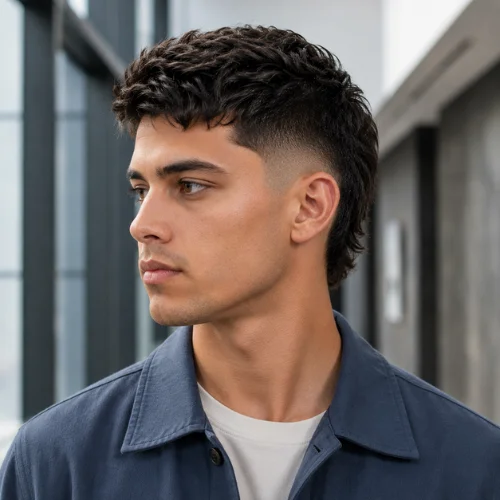
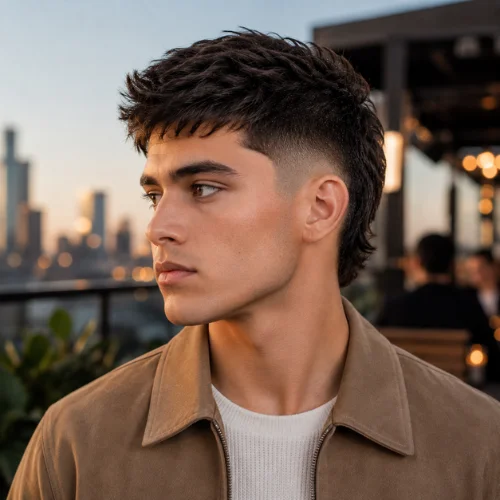
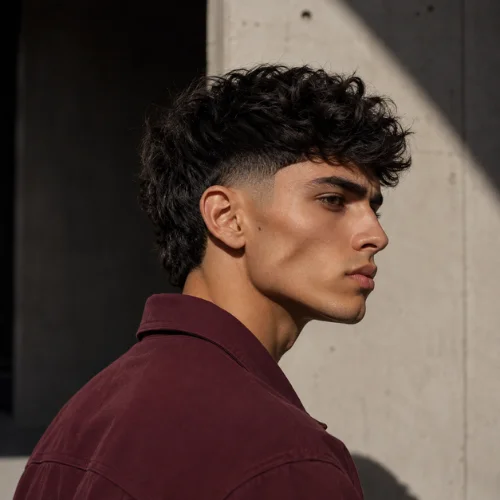
Scroll through any barbershop’s Instagram feed lately, and you’ll spot the burst fade haircut everywhere. It curves around the ear, tapers into the back, and leaves the top full of texture and movement, making it one of modern barbering’s most requested cuts.
Its versatility makes it work for sharp, business-ready looks, edgy styles, and everything in between, across straight, curly, and afro-textured hair.
This guide covers 53 burst fade haircut variations, taper fade differences, styling tips, product recommendations, and common questions for first-time cuts or refreshing a favorite style.
What is a Burst Fade Haircut?
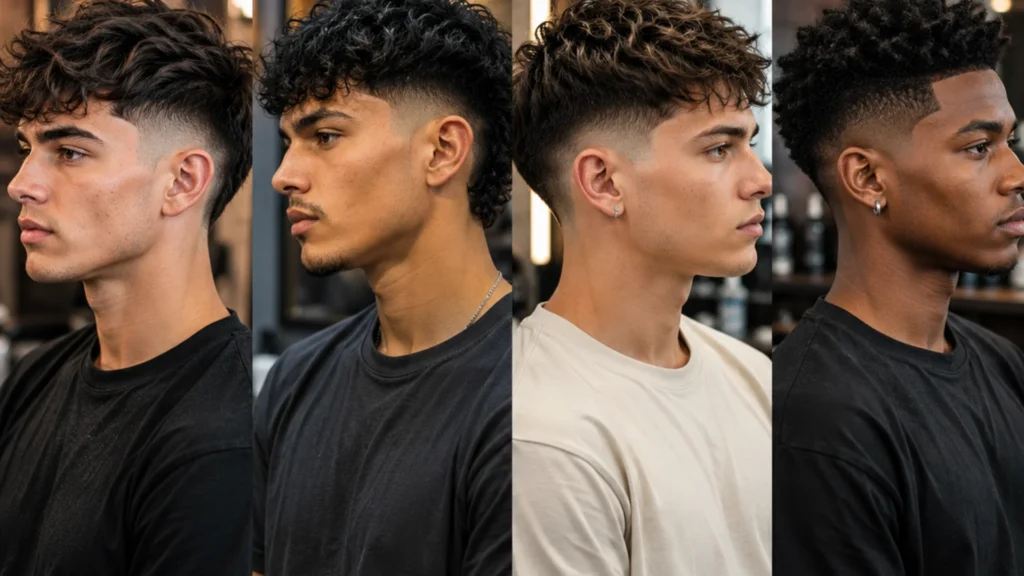
A burst fade haircut curves in a semicircle around the ear, fading from short to skin before blending into longer hair on top. Its name comes from the “burst” of shorter hair radiating outward from the ear, unlike a standard fade that stays at a consistent height around the head.
Because the fade is focused around the ears and back of the neck, the sides and top can remain longer for more styling options. Burst fades work well with curly, coily, wavy, and straight hair, with the final look varying by natural texture.
53 Burst Fade Haircut Ideas for a Fresh New Look
Below is the full lineup of burst fade haircut styles covered in this guide. Each one offers a distinct spin on the classic burst fade, from subtle and professional to bold and statement-making.
Use this list as inspiration before your next barber appointment, or as a way to find the words to describe exactly what you want. Bringing a reference photo always helps too.
Popular Burst Fade Haircuts
These are the Burst Fade Haircut variations that show up most often in barbershops right now. They’ve earned their popularity because they’re flattering, adaptable, and relatively easy for barbers to execute well.
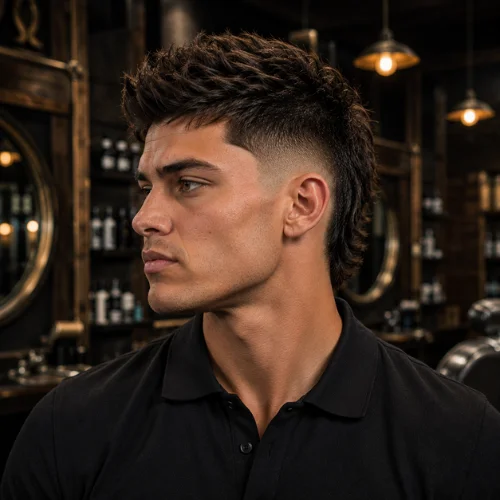
Burst Fade Mullet
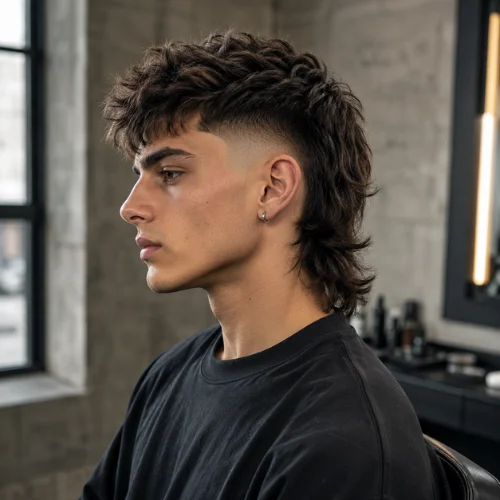
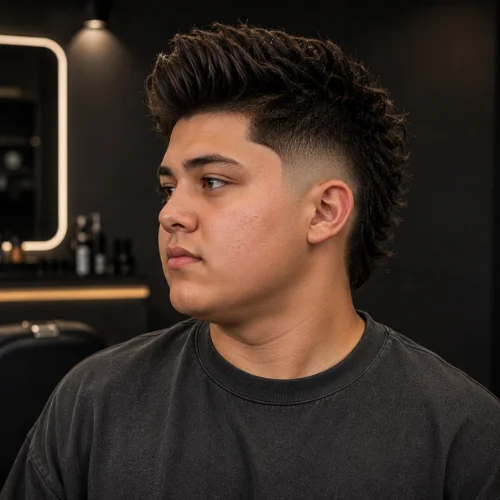
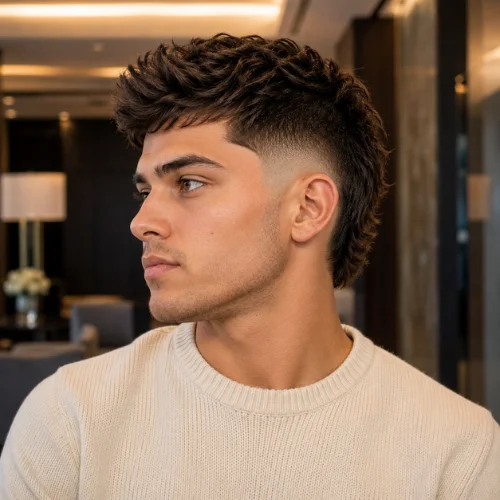
The burst fade mullet combines short, faded sides with longer hair left at the back. It’s a modern nod to a retro cut, updated with clean, precise fading around the ears.
This combo works especially well for people who want a bit of rebellion in their look without going overboard. The contrast between the tight fade and the flowing back keeps things visually interesting.
Low Burst Fade
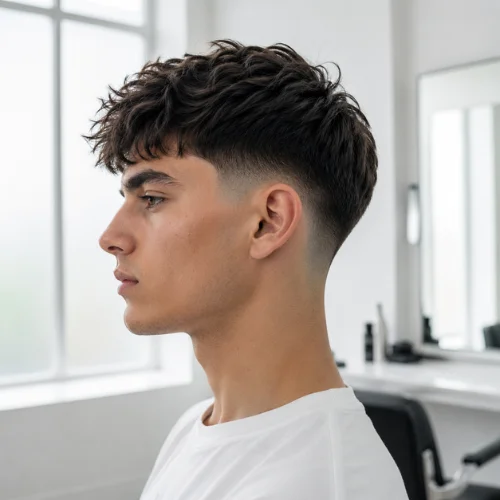
A low Burst Fade Haircut keeps the fading close to the ear and hairline, leaving more length on the sides overall. It’s a subtler take on the style, great for workplaces with more conservative dress codes.
Because less skin is exposed, the low burst fade also requires slightly less frequent touch-ups. It’s a solid entry point if you’re trying a burst fade for the first time.
Mid Burst Fade
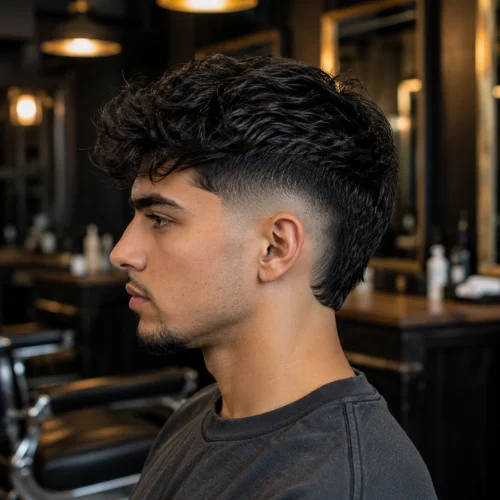
The mid burst fade splits the difference, starting the fade around the middle of the head. It offers a good balance of boldness and versatility.
This version tends to suit most face shapes well. It’s neither too dramatic nor too tame, making it a safe but stylish choice.
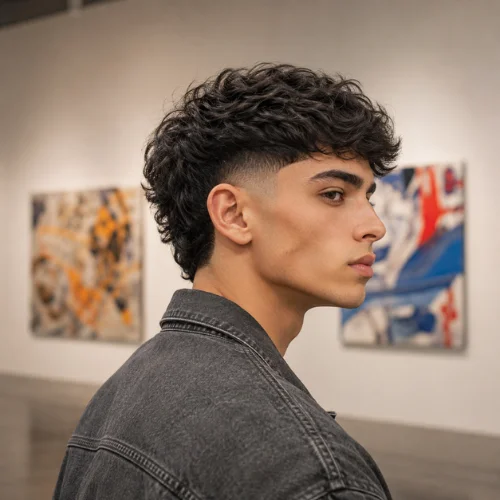
Burst Fade Curly Hair
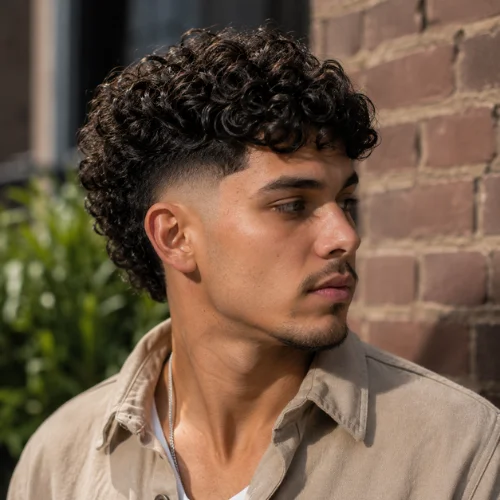
Curly hair adds natural volume and texture to a Burst Fade Haircut, making the top look fuller and more dynamic. The curls also help soften the contrast between the fade and the longer hair.
Barbers often recommend letting curls grow slightly longer on top with this cut. It gives the curls room to bounce and define themselves properly.
Burst Fade Taper
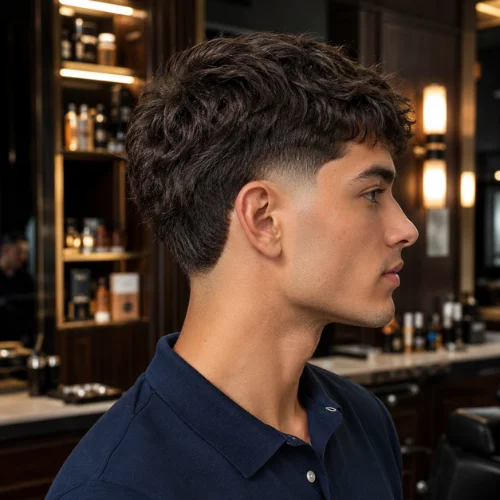
This variation blends a traditional taper on the back and sides with a Burst Fade Haircut pattern around the ears. The result is a cut that looks clean from every angle.
It’s a popular choice for men who want a fade that doesn’t feel too aggressive. The taper softens the transition, keeping things looking neat.
Burst Fade Design
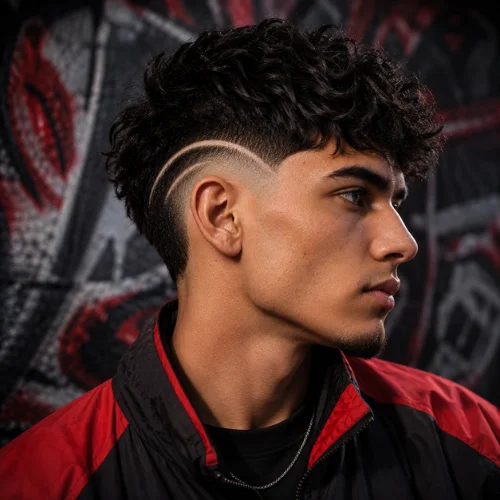
Adding a shaved design to a Burst Fade Haircut turns a simple style into a personalized statement. Lines, patterns, or even initials can be etched into the shorter sections.
This style takes more skill and time in the chair, so it’s worth finding a barber experienced with freehand razor work. The design usually needs refreshing every couple of weeks.
Burst Fade Mohawk
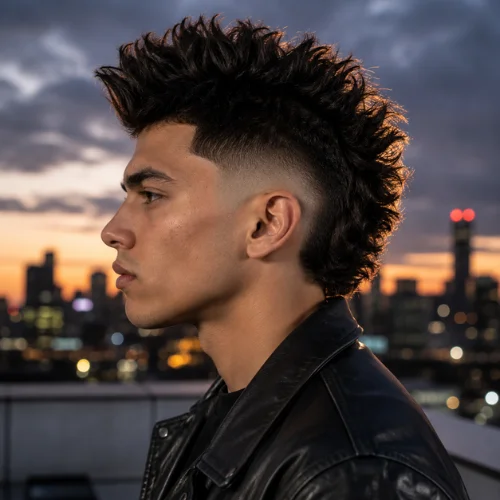
This bold combination pairs the Burst Fade Haircut with a strip of longer hair running down the center of the head. It’s one of the more eye-catching options on this list.
The burst fading on the sides makes the Mohawk look sharper and more intentional. It works particularly well for special occasions or anyone who wants to stand out.
Burst Taper Fade
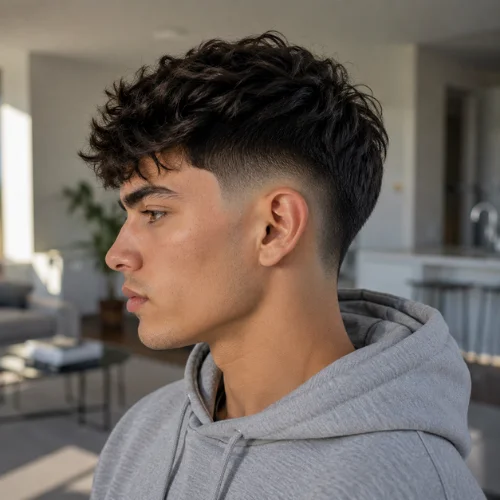
A burst taper fade emphasizes gradual blending more than sharp lines. The fade curves around the ear but transitions more slowly into the length on top.
This softer approach tends to look natural even as hair grows out between appointments. It’s a forgiving option for people who can’t get to the barber every two weeks.
Burst Fade Haircuts by Fade Type
Not all burst fade haircuts are created equal. The height and closeness of the fade change the overall vibe of the haircut significantly.
High Burst Fade
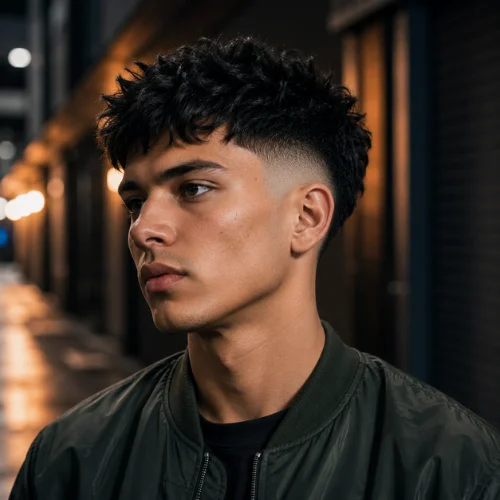
A high burst fade haircut starts higher up on the head, exposing more scalp and creating a sharper contrast with the top. It’s a bold, modern option that draws the eye upward.
This style suits people who want maximum definition and don’t mind more frequent barber visits. It grows out faster than lower fades, so upkeep is a bigger factor.
Burst Skin Fade
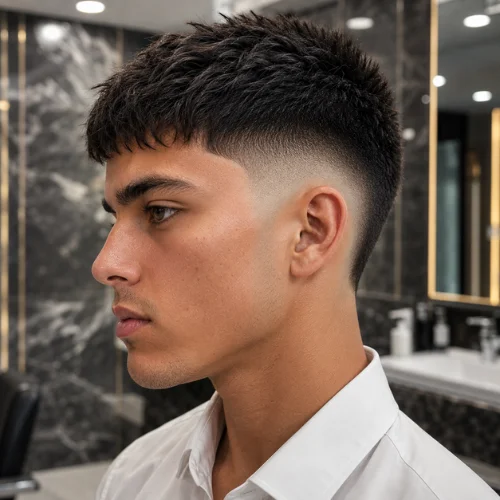
A skin Burst Fade Haircut takes the fade all the way down to bare skin, creating the most dramatic contrast possible. Combined with the burst pattern, it produces crisp, clean lines around the ear.
This version photographs incredibly well and tends to look freshest right after a cut. It does require regular maintenance to keep that sharp appearance.
Drop Burst Fade
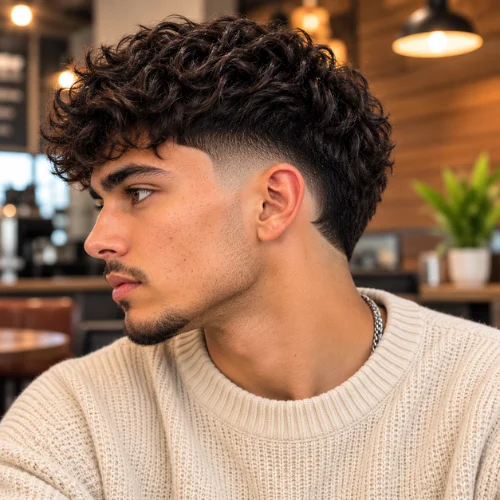
The drop fade dips downward behind the ear rather than staying level, following the natural curve of the head. Paired with a Burst Fade Haircut, it creates a distinctive, sweeping line.
This is one of the more technically demanding fades to execute well. It’s worth seeking out a barber who has specific experience with drop fades.
Burst Fade with Line Up
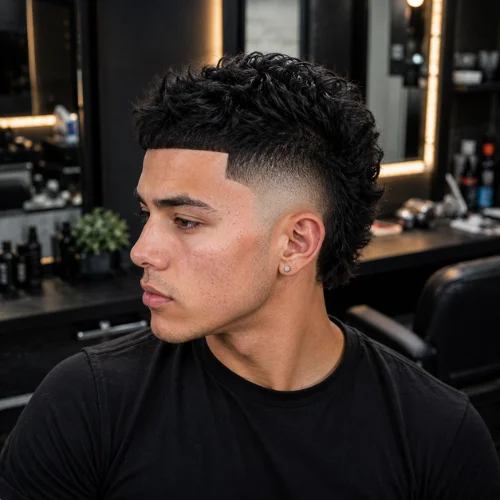
Adding a line up along the hairline and temples sharpens the edges of the haircut even further. It’s a popular pairing for guys who like a crisp, defined finish.
Burst Fade with V Design
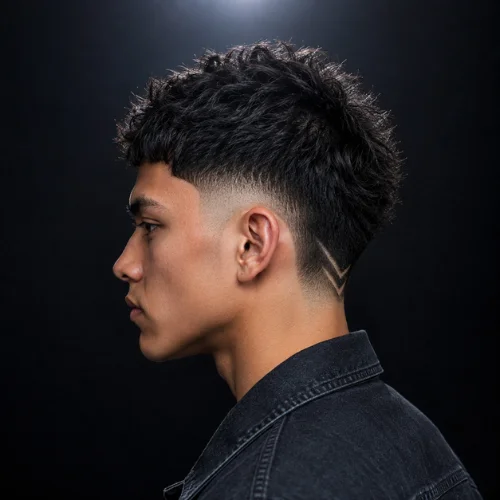
A V-shaped design at the nape adds a subtle decorative element to the back of the haircut. It’s a small detail that makes a big difference in personalizing the style.
Burst Fade Haircuts by Hair Length & Texture
Your natural hair type plays a big role in how a burst fade haircut will ultimately look. Here’s how it adapts across different textures and lengths.
Burst Fade Straight Hair
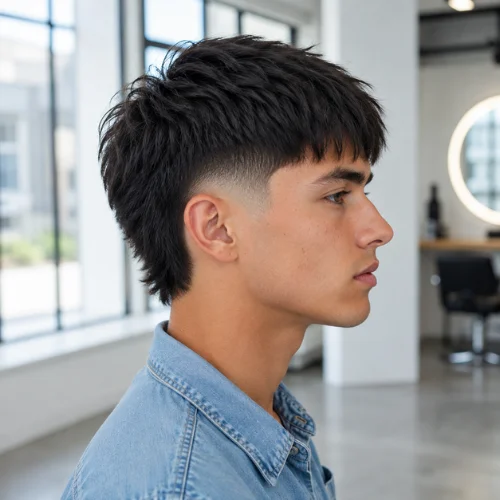
Straight hair gives the top of a Burst Fade Haircut a sleek, defined look. The contrast between the fade and the smooth length on top tends to be very crisp.
Styling straight hair with a burst fade is usually straightforward, since the hair naturally lies flat or can be easily directed with product.
Burst Fade Long Hair
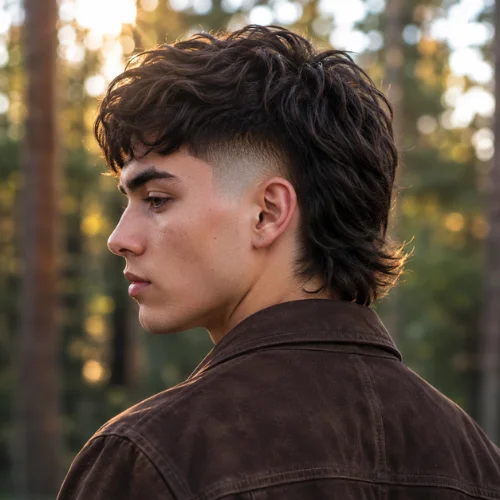
Keeping more length on top while fading the sides creates a striking contrast. This version gives you flexibility to style the top in multiple ways, from slicked back to loosely texture.
Long hair on top also means you can experiment more before your next trim. It’s a great option if you enjoy switching up your look frequently.
Burst Fade Short Hair
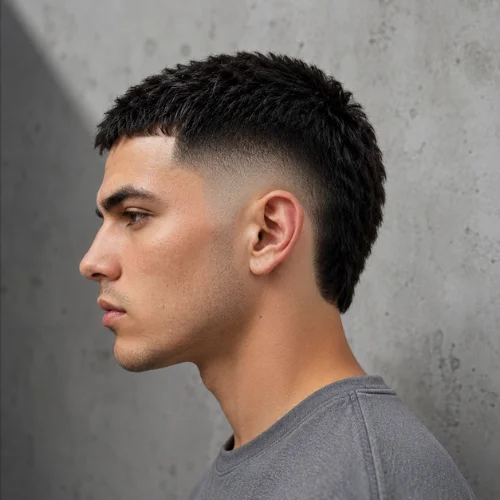
For a lower-maintenance option, short hair on top paired with a burst fade keeps everything neat and compact. It’s practical for active lifestyles or hot climates.
This combination also tends to hold its shape longer between barber visits, since there’s less length to manage day to day.
Burst Fade Wavy Hair
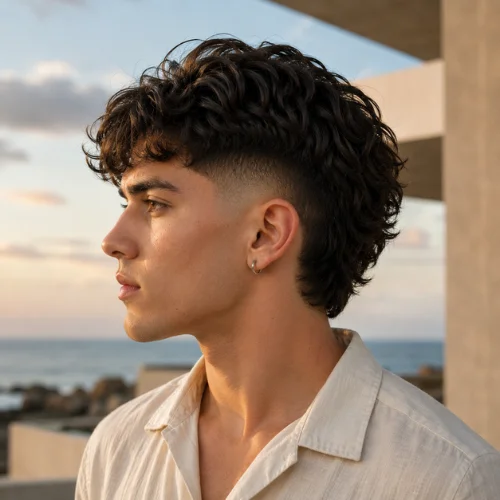
Wavy hair adds natural texture and dimension on top, which pairs beautifully with the clean lines of a burst fade. The waves create movement without much styling effort.
A light matte product usually enhances wavy hair best with this cut, defining the waves without weighing them down.
Burst Fade Blonde Hair
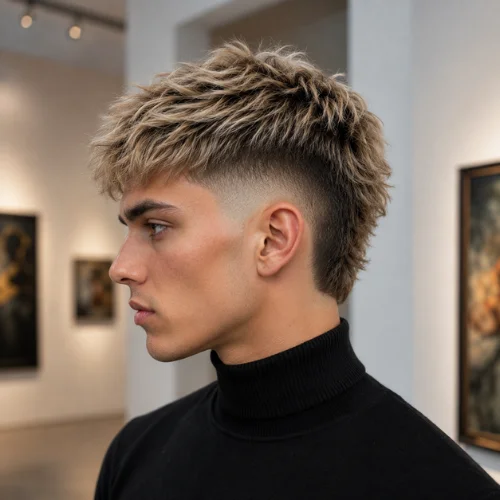
Lightened or naturally blonde hair makes the contrast between the fade and the top even more visible. It’s a striking option for anyone wanting their haircut to make a statement.
Because blonde hair often comes from chemical treatment, it’s worth using hydrating products to keep both the scalp and hair healthy.
Burst Fade Perm
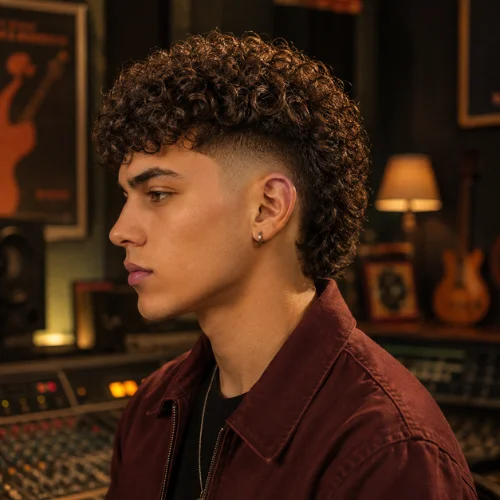
Adding a perm on top of a burst fade introduces curls or waves to naturally straight hair. It’s become a popular pairing in recent years, especially among men wanting more texture.
The permed curls contrast nicely with the tight fade below, giving the whole look a fuller, more textured silhouette.
Burst Fade Afro
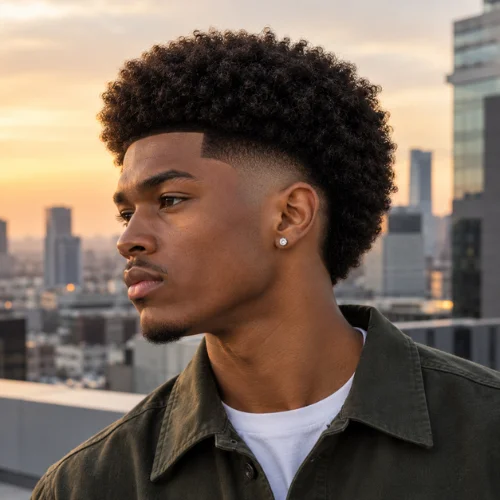
An afro paired with a burst fade keeps the natural volume and shape on top while cleanly fading the sides. It’s a striking combination that celebrates natural texture.
This pairing requires a barber comfortable working with coily hair textures to get the fade blending smoothly into the afro.
Taper Burst Fade Haircut Styles
Taper burst fade haircuts soften the transition between the fade and the length above it, creating a more gradual, blended look.
Low Taper Burst Fade
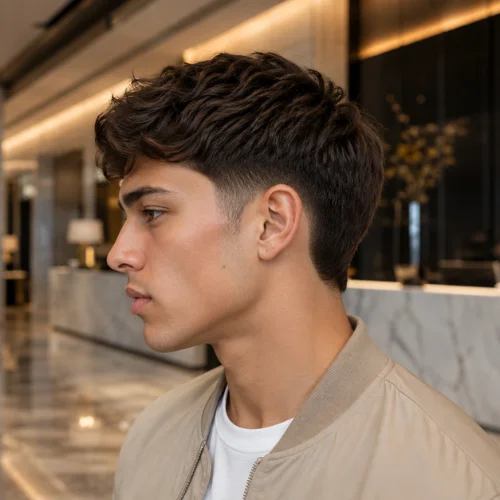
This version keeps the taper close to the hairline, offering a subtle and professional appearance. It’s one of the more versatile options for everyday wear.
Because it’s understated, the low taper burst fade works well in formal or corporate settings without sacrificing style.
Mid Taper Burst Fade
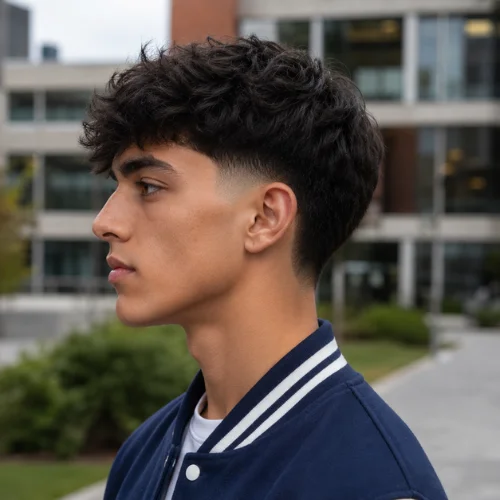
Starting slightly higher than the low taper, this style offers a bit more definition while still feeling wearable day to day. It strikes a nice middle ground.
Many first-time burst fade clients find this a comfortable starting point before trying bolder variations.
Modern & Stylish Burst Fade Haircuts
These styles combine the burst fade technique with popular top styles, creating fresh, contemporary looks.
Burst Fade Undercut
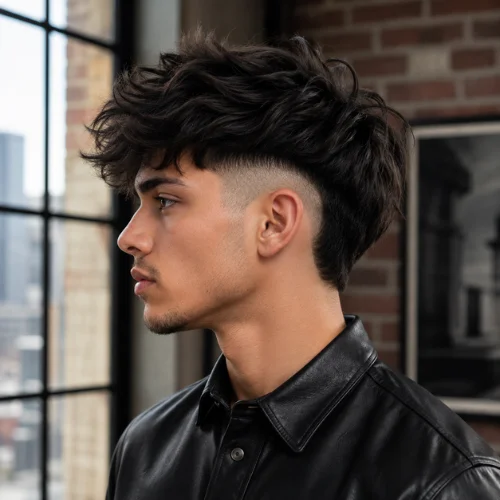
Pairing the burst fade with an undercut creates extra contrast between the closely cropped sides and the fuller top. It’s a striking, modern combination.
The undercut portion tends to grow out more visibly than a standard fade, so more frequent trims help maintain the sharp look.
Burst Fade Slick Back
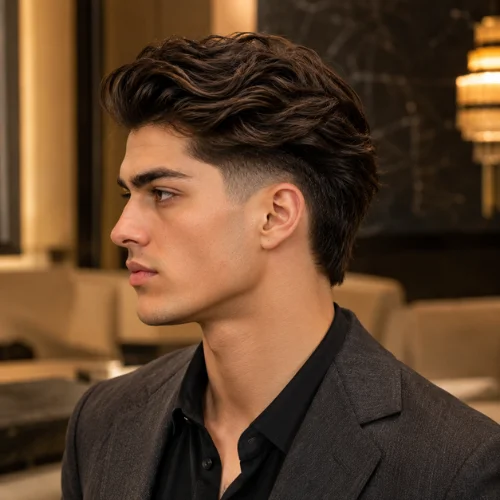
Slicking the top back with a strong-hold product creates a polished, put-together look when paired with a burst fade. It’s a great option for formal events.
This style relies heavily on product, so a pomade or gel with strong hold is essential to keep everything in place through the day.
Burst Fade Textured Fringe
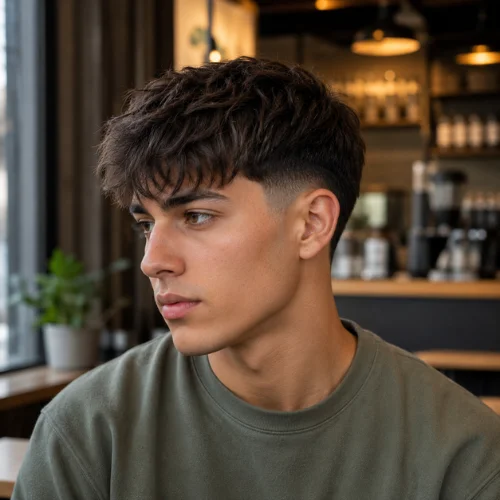
A textured fringe left longer at the front adds a casual, effortless element to the burst fade. Product is used to add separation and movement to the fringe.
This look tends to suit rounder or softer face shapes well, since the fringe can help create the illusion of more angular features.
Burst Fade Hard Part
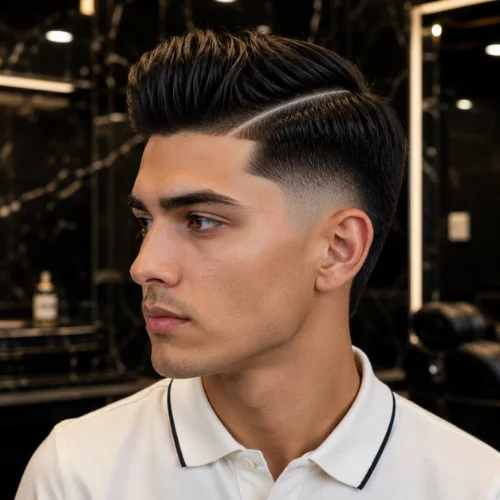
A hard part is a shaved line separating the hair, adding a sharp, graphic detail that complements the curved burst pattern.
Burst Fade Middle Part
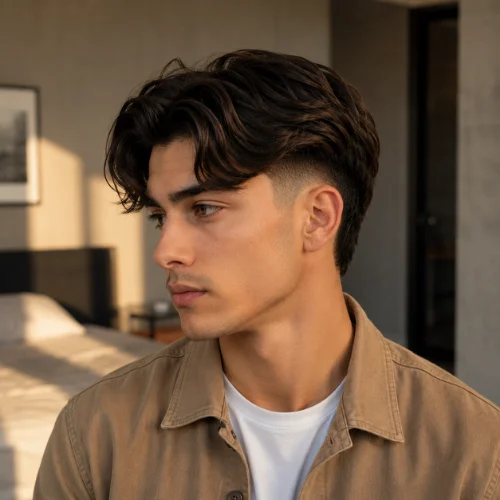
A defined middle part on top of a burst fade gives the style a trendy, symmetrical look. It’s especially popular with straight or slightly wavy hair.
This part needs to be maintained carefully at home between barber visits, usually with a comb and a light styling product.
Burst Fade Fringe
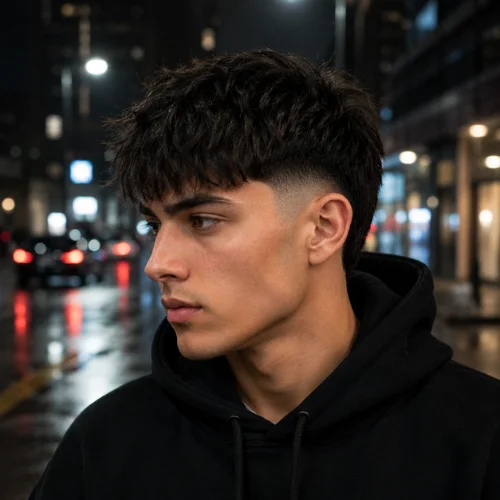
Similar to the textured fringe but generally shorter and more controlled, this style keeps a straight-across fringe at the front. It offers a cleaner, more structured appearance.
It pairs particularly well with straight hair, since the fringe holds its shape more easily without added texture products.
Burst Fade Comb Over
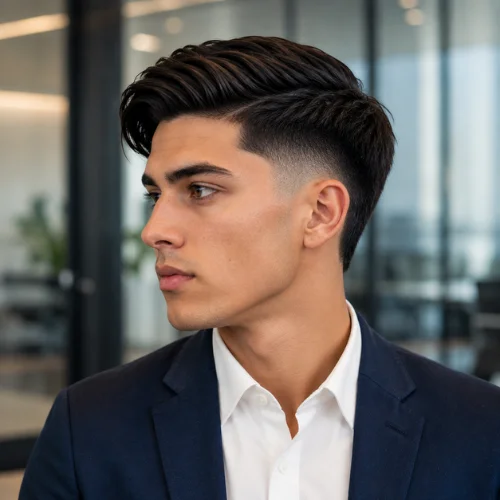
The classic comb over gets a modern update when paired with a burst fade. Length on top is combed to one side, creating an asymmetrical, polished finish.
This is a reliable choice for professional settings, offering a timeless look with a contemporary edge from the fade itself.
Textured Burst Fade
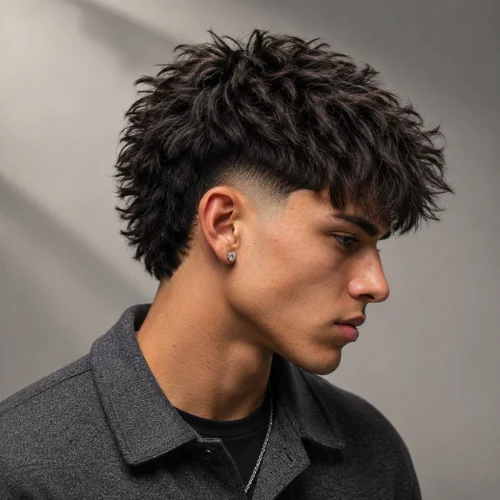
This style emphasizes choppy, textured layers on top rather than a smooth or slicked finish. It gives the haircut a more relaxed, lived-in feel.
Texturizing scissors or a razor are often used by barbers to create this effect, adding movement without adding bulk.
Burst Fade Edgar
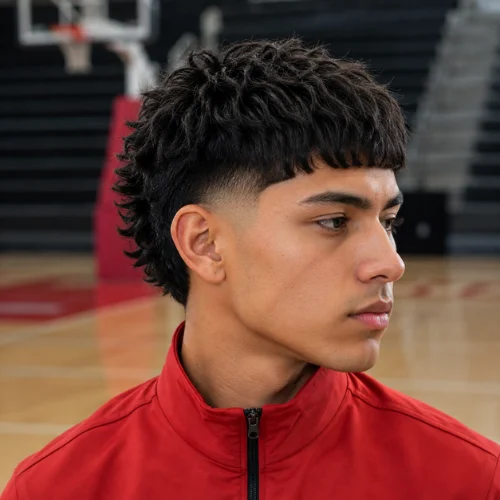
The Edgar cut features a straight, blunt fringe combined with tapered sides, and it pairs surprisingly well with the burst fade technique around the ears.
This trendy combination has grown especially popular among younger clients looking for a bold, structured look.
Burst Fade Faux Hawk
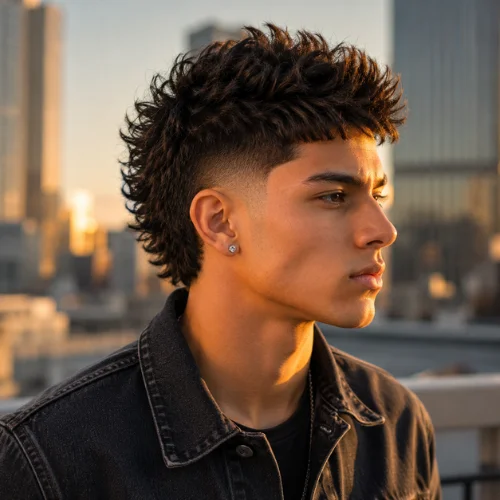
A faux hawk keeps more length down the center of the head without shaving the sides completely, unlike a true mohawk. The burst fade handles the sides while the center stays fuller.
Styling product is essential here to keep the center section standing up and defined throughout the day.
Burst Fade Side Part
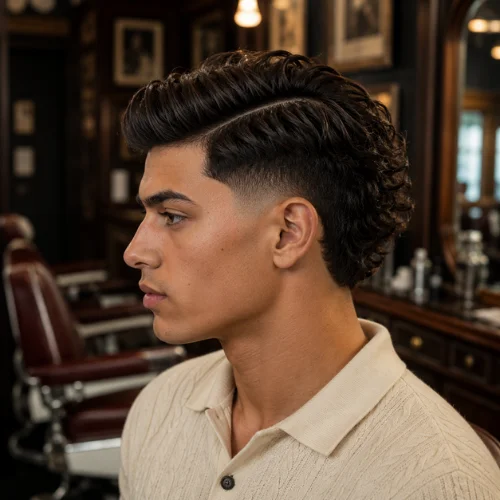
A crisp, defined side part paired with a burst fade creates a smart, tailored appearance. It’s a great choice for interviews, weddings, or other formal occasions.
This look benefits from a fine-tooth comb and a strong-hold product to keep the part looking sharp from morning to night.
Burst Fade Crew Cut
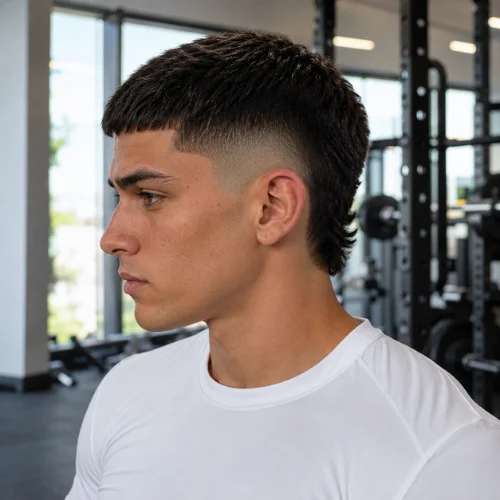
The crew cut keeps the top short and uniform, fading seamlessly into the burst pattern on the sides. It’s low-maintenance and works for nearly every hair type.
This combination is especially popular among men who prioritize simplicity and don’t want to spend much time styling each morning.
Burst Fade Quiff
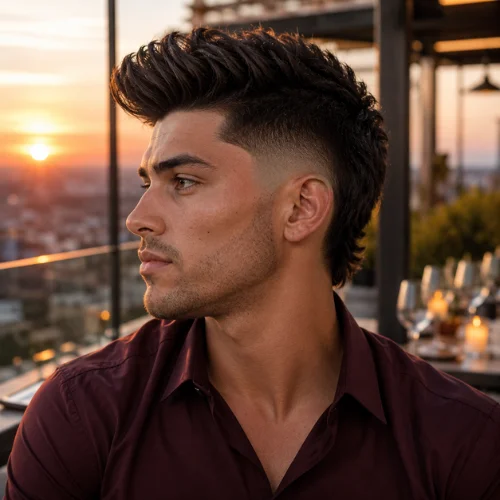
A quiff adds height and volume at the front, creating a bold silhouette when paired with the tightly faded sides of a burst fade. It’s a stylish, slightly retro-inspired look.
Blow-drying the front section upward and setting it with a strong pomade helps the quiff hold its shape throughout the day.
Burst Fade Pompadour
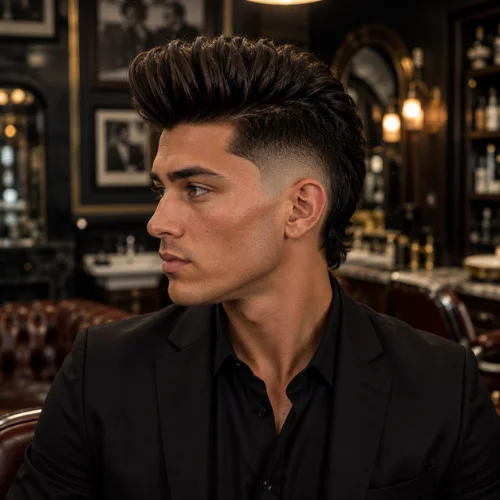
The pompadour takes volume even further, sweeping hair up and back into a dramatic shape. Combined with a burst fade, it creates striking contrast between the sides and top.
This style requires more daily styling time and a strong-hold product, but the payoff is a genuinely head-turning look.
Burst Fade Caesar Cut
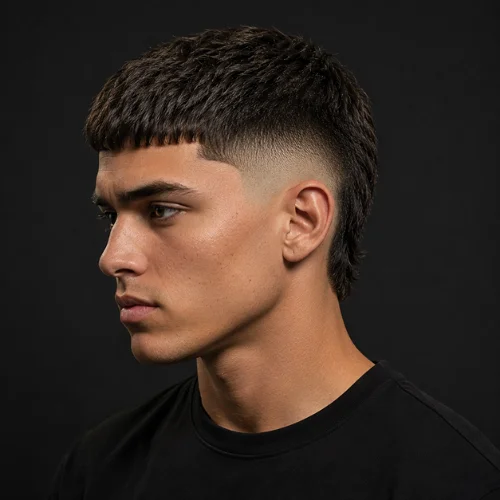
The Caesar cut features short, horizontally fringed hair on top, and it pairs cleanly with the burst fade’s curved sides. It’s a simple, classic combination.
This low-maintenance style requires minimal daily styling, making it a favorite among men who want a clean look without much effort.
Burst Fade Spiky Hair
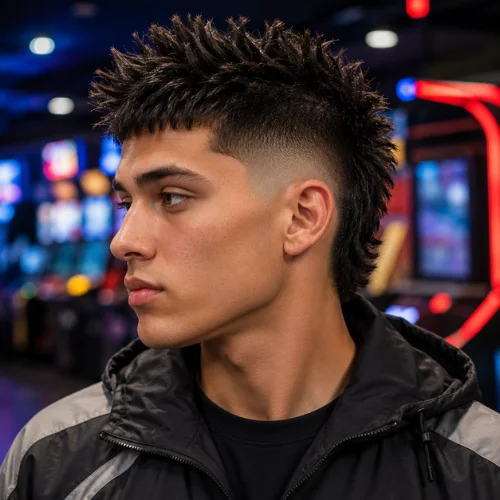
Spiking the top with a strong gel or wax adds energy and edge to a burst fade. It’s a youthful, playful take on the style.
This look works best with slightly shorter hair on top, since shorter spikes tend to hold their shape better throughout the day.
Curly Burst Fade Mohawk
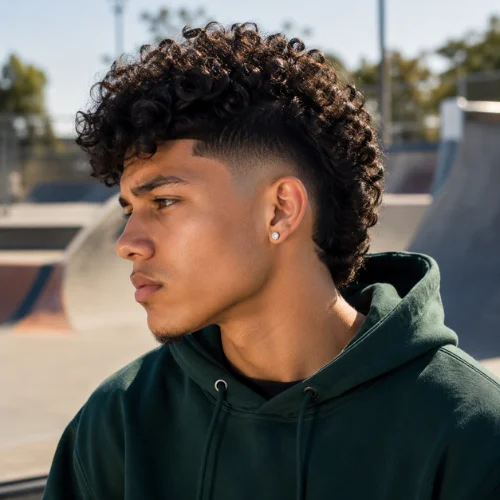
Combining curly hair with a mohawk shape and a burst fade produces one of the boldest looks on this list. The natural curl pattern adds volume to the mohawk strip.
This style makes a strong statement and works particularly well for special events or anyone confident in a more daring look.
Sleek Mohawk Burst Fade
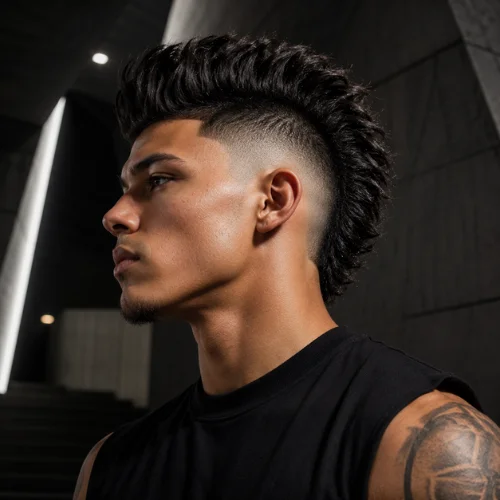
A more polished mohawk, styled smooth and controlled rather than textured, offers a sharper, more formal version of the mohawk pairing.
Burst Fade Blowout
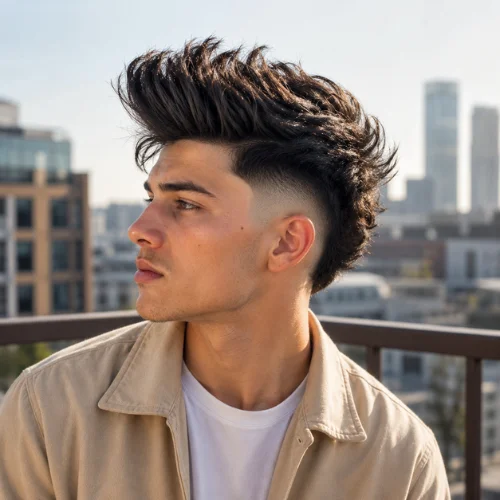
A blowout adds significant volume and height to the top, creating dramatic contrast with the closely faded sides. It’s a bold, voluminous take on the burst fade.
This look is especially popular in curly and coily hair textures, where the natural volume enhances the blowout effect.
Burst Fade French Crop
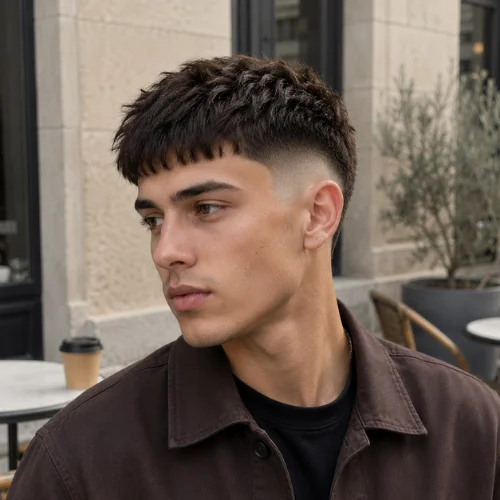
The French crop features a short, textured fringe with a burst fade handling the sides. It’s a clean, modern cut that’s gained massive popularity in recent years.
This low-maintenance style photographs well and works across nearly every hair type and face shape, making it a safe, stylish choice.
Burst Temple Fade
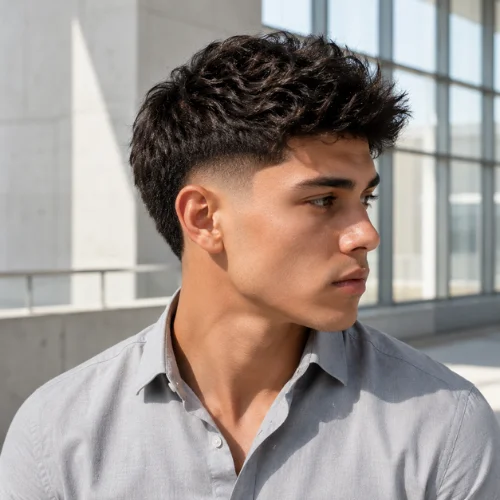
This variation focuses the burst detail specifically around the temple area, creating a subtle but distinctive shape.
Burst Fade with Design
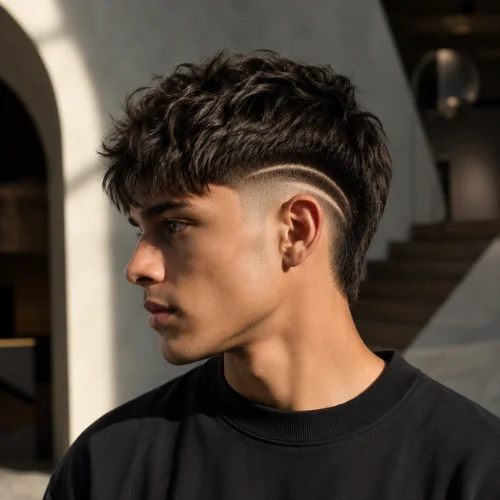
Custom shaved designs, from simple lines to intricate patterns, let you turn your burst fade into a completely unique statement piece.
Low Burst Fade with Taper
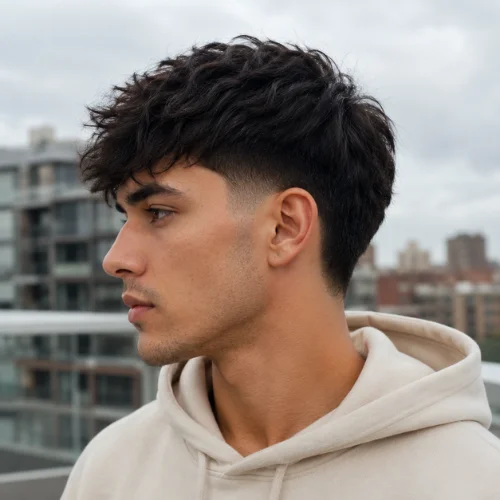
Combining a low fade height with a gradual taper creates one of the most subtle, versatile burst fade options available.
Burst Fade Haircut for Different Looks
Different lifestyles and preferences call for different takes on the burst fade. Here are a few tailored approaches.
Burst Fade Black Men
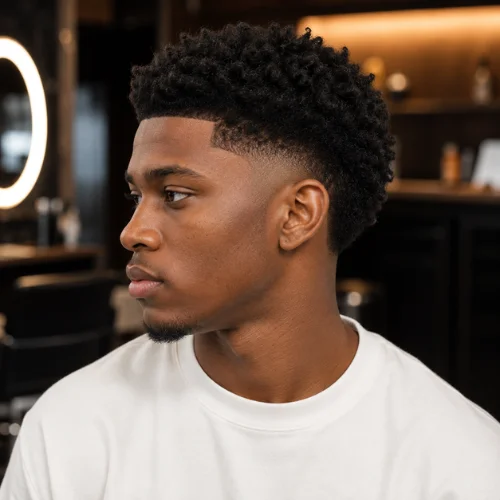
Burst fades are especially popular among Black men, often paired with afros, twists, or coily textures. The technique highlights natural hair texture beautifully.
Finding a barber experienced with coily and kinky hair types ensures the fade blends smoothly without leaving awkward transition lines.
Burst Fade with Beard
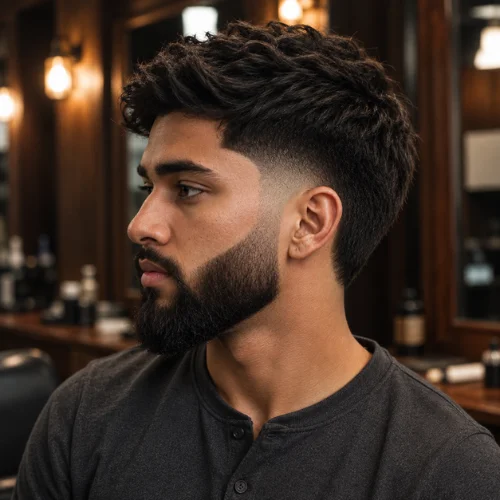
Pairing a burst fade haircut with a well-groomed beard creates a cohesive, polished look. The fade and beard lineup work together to frame the face.
Regular beard trims alongside haircut appointments help keep both elements looking sharp and intentional at the same time.
Burst Fade Asian
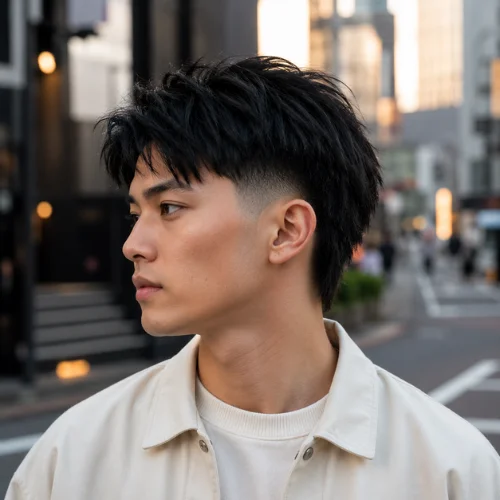
Asian hair tends to be thick and straight, which creates strong contrast with a burst fade’s closely cropped sides. The top often looks fuller and more structured as a result.
Texturizing on top can help prevent the hair from looking too heavy or blocky against the tight fade below.
Burst Fade with Highlights
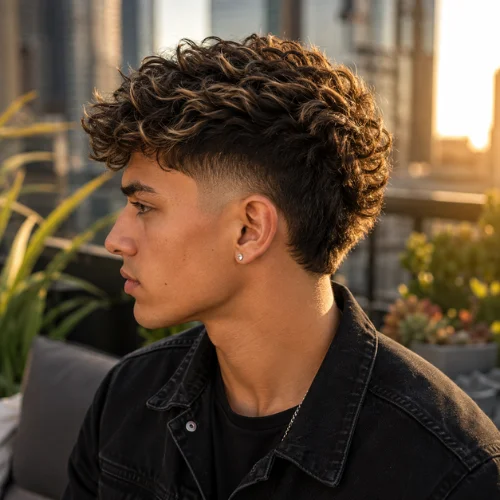
Adding highlights introduces color contrast on top of the textural contrast the fade already provides. It’s a way to make the style even more personalized.
Because highlights involve chemical processing, extra conditioning care is important to keep the hair from becoming dry or brittle.
Burst Fade with Beard and Line Up
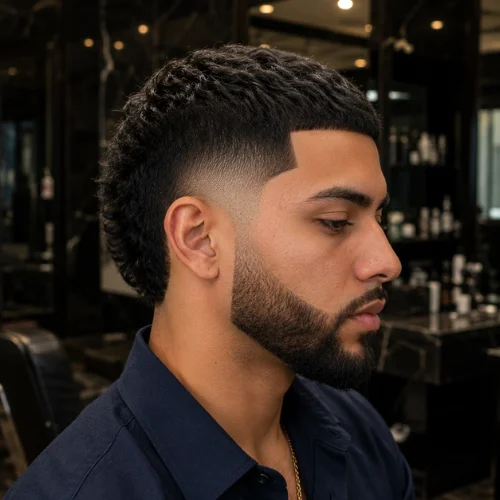
This combination brings everything together: a crisp line up, a defined beard, and a rounded burst fade for a fully polished appearance.
Burst Fade with Dreads
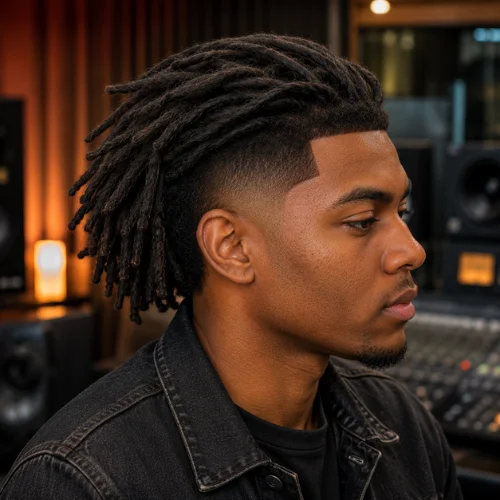
Dreadlocks on top paired with a burst fade at the sides is a striking combination that keeps length manageable while still delivering sharp contrast.
Burst Fade with Braids
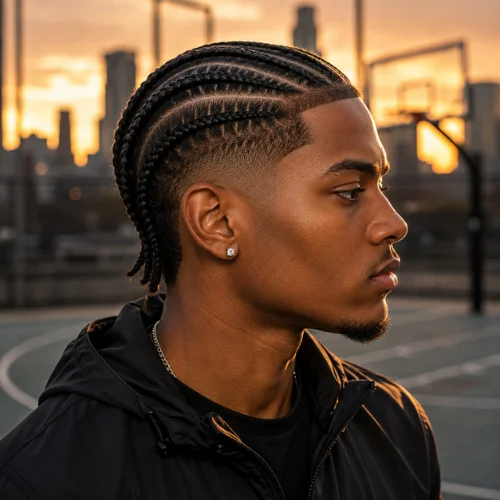
Braided styles on top look even more intentional when framed by a clean burst fade, creating a neat, well-defined perimeter.
Burst Fade with Twists
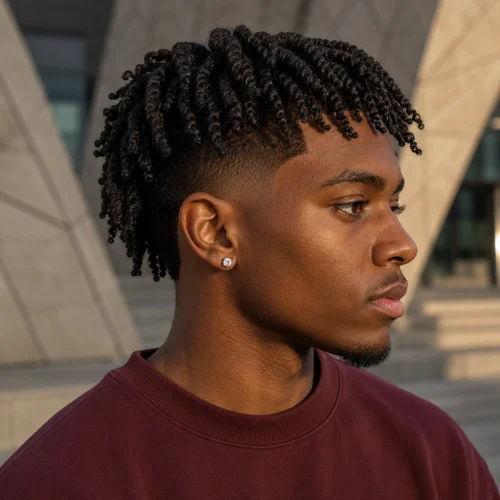
Twists offer a slightly looser, more textured alternative to braids, and they work just as well alongside a tightly blended burst fade.
Burst Fade vs Taper Fade: What’s the Difference
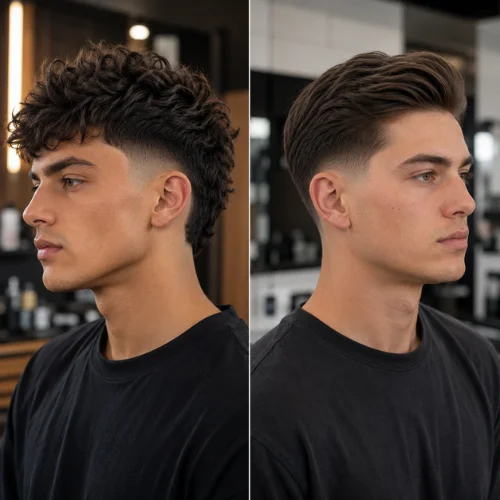
The key difference is shape: a taper fade gradually shortens hair in a straight, even line around the head, while a burst fade curves in a semicircle around the ear. Taper fades look more traditional and conservative, whereas burst fades create a more dynamic, eye-catching finish.
A burst fade typically requires more barbering skill because curved lines are harder to execute cleanly, while taper fades are easier to maintain between appointments. Neither is better; the choice depends on personal preference, hair type, and desired contrast.
Choosing the Right Burst Fade Haircut for Your Style
Picking the right burst fade variation depends on a few key factors, including your hair type and the shape of your face.
Choosing a Burst Fade Based on Hair Type
Choose a burst fade style that works well with your natural hair texture:
Straight Hair
Wavy Hair
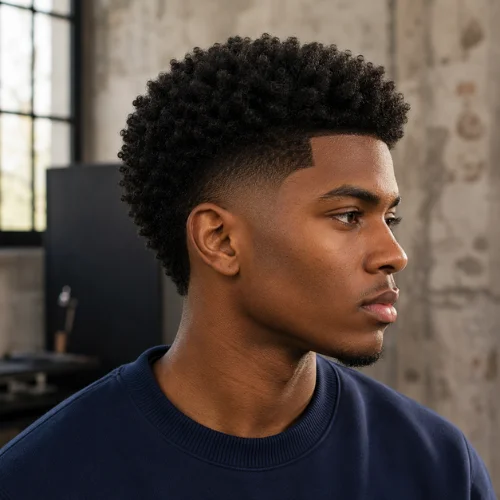
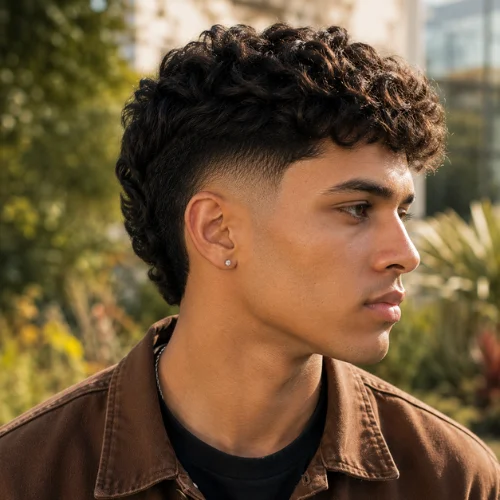
Curly Hair
Coily Hair
Natural Texture
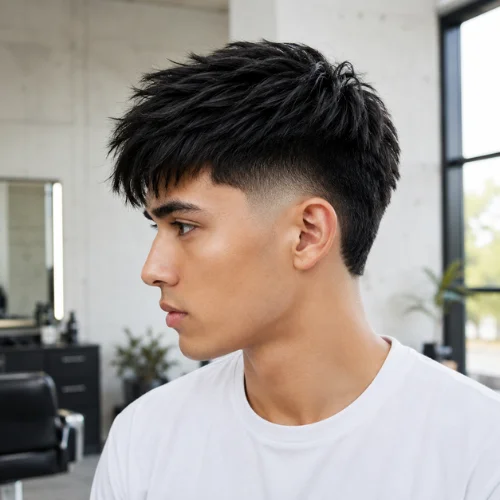
- Straight Hair: Works well with sleek and structured styles such as comb overs and side parts.
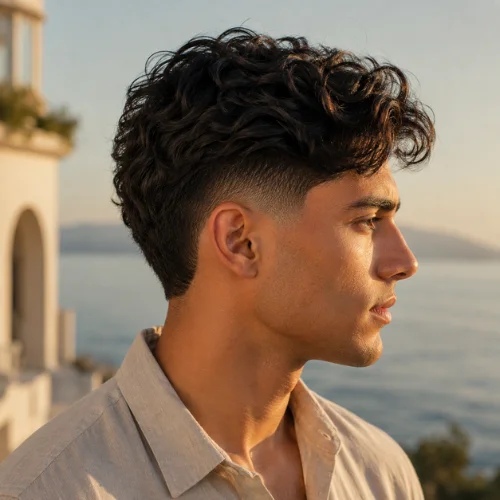
- Wavy Hair: Looks great with textured tyles that enhance the hair’s natural movement and volume.
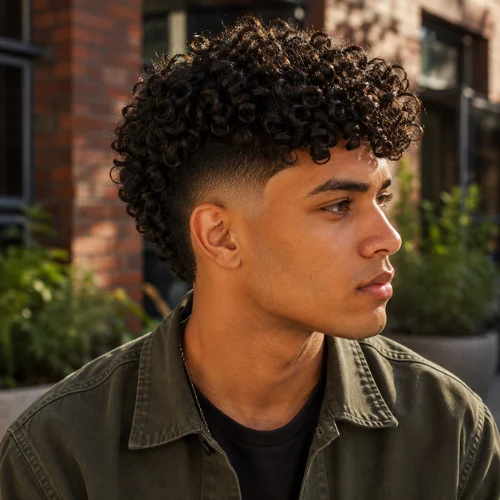
- Curly Hair: Pairs naturally with burst fades that allow curls to maintain their shape and definition.
- Coily Hair: Styles like an afro burst fade can highlight natural texture while keeping the sides clean.
- Natural Texture: Choosing a style that works with your hair’s natural pattern usually makes styling and maintenance much easier.
Choosing a Burst Fade Based on Face Shape
Choose a burst fade style that suits and enhances your face shape:
Round Face
Oval Face
Square Face
Rectangular Face
Heart-Shaped Face
Diamond Face
Angular Face
- Round Face: Add height on top with styles like a quiff or pompadour to make the face appear longer.
- Oval Face: Almost any burst fade style works well because of the balanced proportions.
- Square Face: Strong jawlines pair nicely with both sharp and textured burst fade styles.
- Rectangular Face: Keep moderate length on top to avoid making the face look too long.
- Heart-Shaped Face: Textured or slightly fuller styles can help create a more balanced appearance.
- Diamond Face: A textured top with a controlled burst fade can complement the cheekbones and jawline.
- Angular Face: Most burst fade variations work well, especially styles that balance sharp facial features with natural texture.
Getting the Perfect Burst Fade Haircut at the Barber
Communication with your barber makes all the difference between a haircut you love and one you’re disappointed by.
What to Tell Your Barber
Bring reference photos whenever possible, since verbal descriptions can be interpreted differently by different barbers. Point out specific details you like from the photo.
Mention your hair type, how often you plan to get touch-ups, and any styling habits, like whether you use heat tools regularly.
Tips for Getting the Desired Burst Fade
Ask your barber to start conservatively if you’re unsure about how short you want the fade. It’s easier to go shorter next time than to fix a fade that’s too aggressive.
Speak up during the haircut if something doesn’t look right. A good barber will welcome feedback and make adjustments before finishing.
Styling a Burst Fade Haircut
Getting the cut is only half the equation. Proper styling keeps a burst fade looking its best day to day.
Prepare Your Hair for Styling
Start with clean, towel-dried hair rather than fully wet or fully dry hair. Damp hair holds product and shape better than either extreme.
Detangle gently with a wide-tooth comb before applying any products, especially if you have curly or coily hair.
Use the Right Styling Products
Choose a product based on the finish you want. Clays and pastes offer matte texture, while pomades and creams provide shine and stronger hold.
Start with a small amount and add more as needed. It’s much easier to add product than to remove excess once it’s in your hair.
Shape and Blow-Dry Your Hair
Use a Round or Paddle Brush while blow-drying to direct hair into the shape you want, whether that’s height, volume, or a specific part.
Keep the dryer on a low or medium heat setting to avoid damaging your hair, especially with frequent styling.
Finish and Set Your Style
Once your hair is shaped the way you want it, a light hold hairspray can lock everything in place without leaving a stiff or crunchy feel.
Let your style set for a minute or two before touching it again, giving the product time to fully take hold.
Best Hairstyles to Wear With a Burst Fade Haircut
Beyond the specific top styles already covered, a burst fade pairs naturally with clean beard lineups, subtle hair tattoos, or shaved designs for extra personalization.
It also works well as a base for seasonal changes, like adding more length in colder months and going shorter in summer. The fade itself stays consistent while the top adapts to your mood.
Maintaining Your Burst Fade Haircut
A burst fade looks its best fresh out of the hair, but a few habits help extend that sharp appearance between visits.
Schedule Regular Barber Visits
Most burst fades need a touch-up every two to three weeks to maintain crisp lines, especially with higher or skin fades that grow out more visibly.
Setting a recurring appointment with your barber helps you stay consistent instead of waiting until the fade has completely grown out.
Keep Your Hair Clean and Healthy
Washing your hair regularly removes product buildup and keeps your scalp healthy, which supports better hair growth overall.
Avoid over-washing, though, since stripping natural oils too often can leave hair dry and harder to style.
Use the Right Hair Care Products
Choosing shampoos and conditioners suited to your specific hair type makes a noticeable difference in how your burst fade looks and feels day to day.
Curly and coily hair generally benefits from more moisturizing formulas, while fine or straight hair often does better with lighter, volumizing products.
Maintain the Fade between Haircuts
Some men use clippers at home to touch up the neckline or sideburns between full barber visits. This isn’t necessary, but it can help extend the sharp look a few extra days.
Be cautious with at-home touch-ups on the fade itself, since uneven blending is hard to fix without professional tools.
Protect Your Hair While Sleeping
Sleeping on a silk or satin pillowcase reduces friction that can cause frizz or flatten your style overnight, especially for textured or styled tops.
For longer styles, a loose silk cap or scarf can help preserve shape and reduce the need for restyling every morning.
FAQs: About Burst Fade Hairdressings
Conclusion
The burst fade haircut is one of today’s most flexible and flattering styles, with options ranging from subtle low fades to bold mohawk combinations. There’s a variation for nearly every hair type, face shape, and lifestyle.
Getting the right look depends on clear communication with your barber, choosing a style that suits your natural texture, and maintaining it regularly. With proper care and styling, your burst fade can stay fresh between appointments, whether you prefer a professional look or something bold and distinctive.
Edward Hipps
Edward Hipps is a men’s hairstyling enthusiast sharing expert insights on burst fade haircuts, modern styles, grooming tips, and haircare trends.